Tamara Moyzes & Shlomi Yaffe
Epigenetics
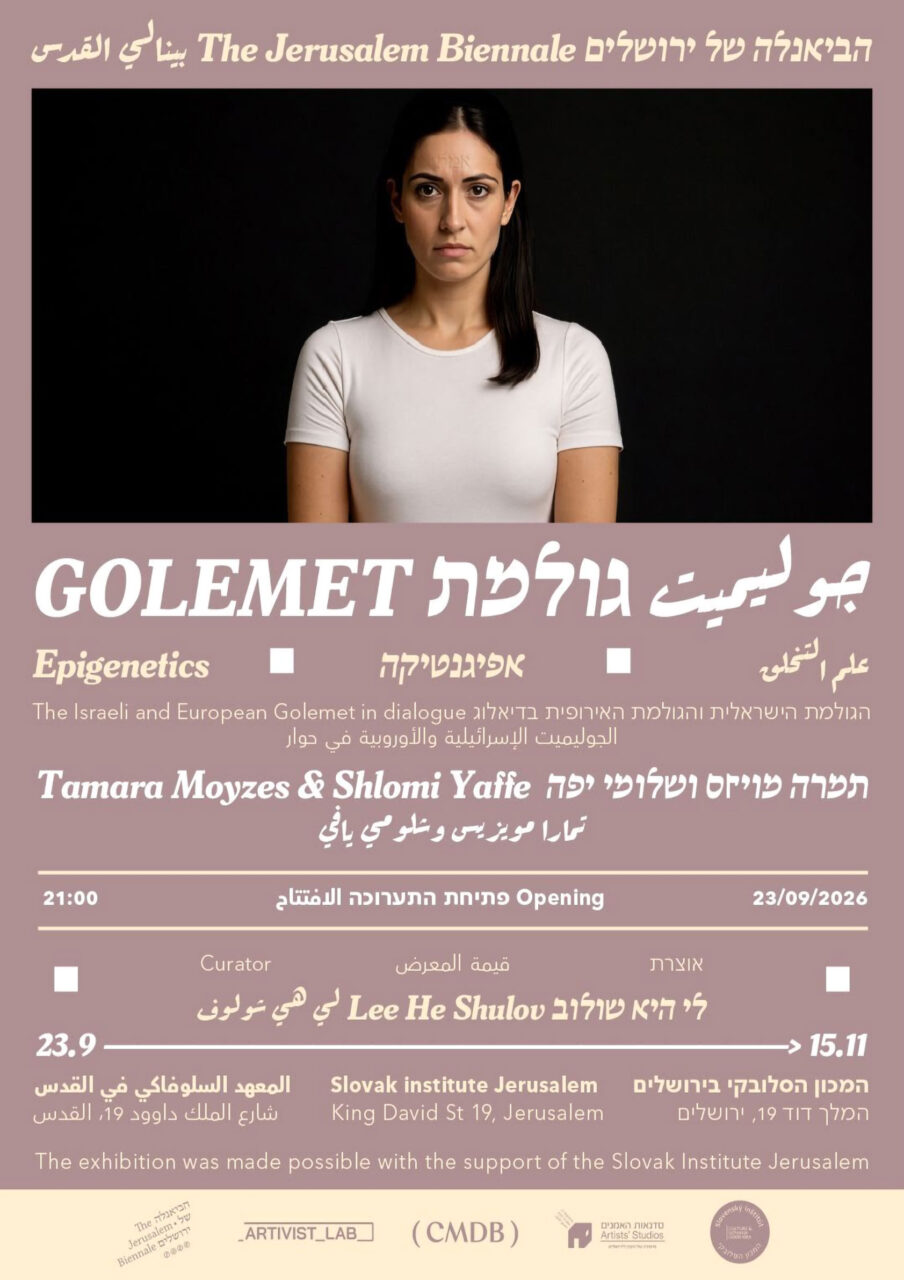
Israeli and European Golemet in Dialogue
“You know, after all, that I am a direct descendant of the sage Rabbi Löw, who shaped the Golem from clay and commanded him: ‘Rise and go!’ when the Jews were threatened by lawlessness. Such a Golem would come in handy when the Nazis attack us. I, too, would give the command: ‘Rise and go! Our enemies are closing in around my Prague!’”
— Egon Erwin Kisch, 1938¹
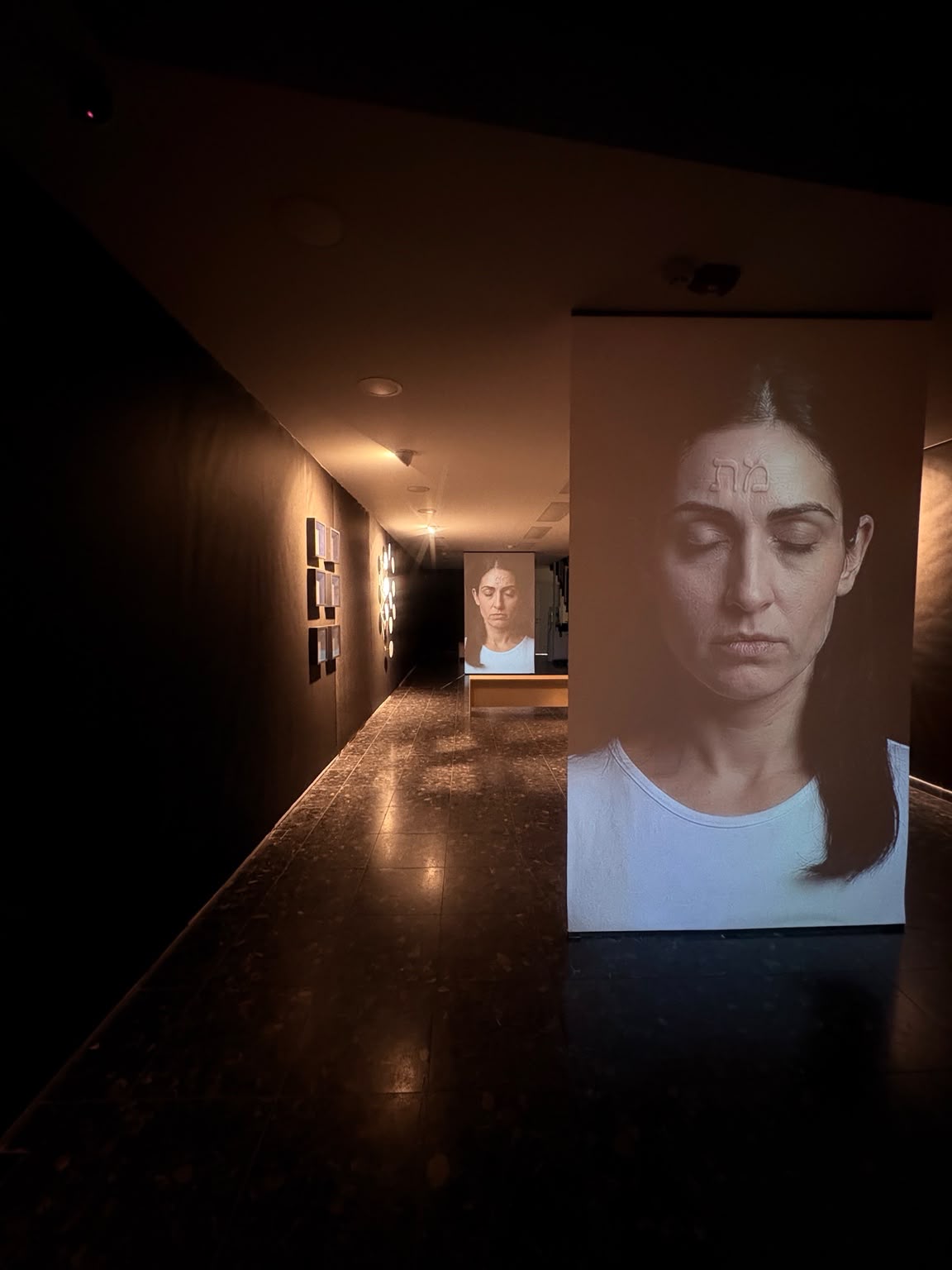
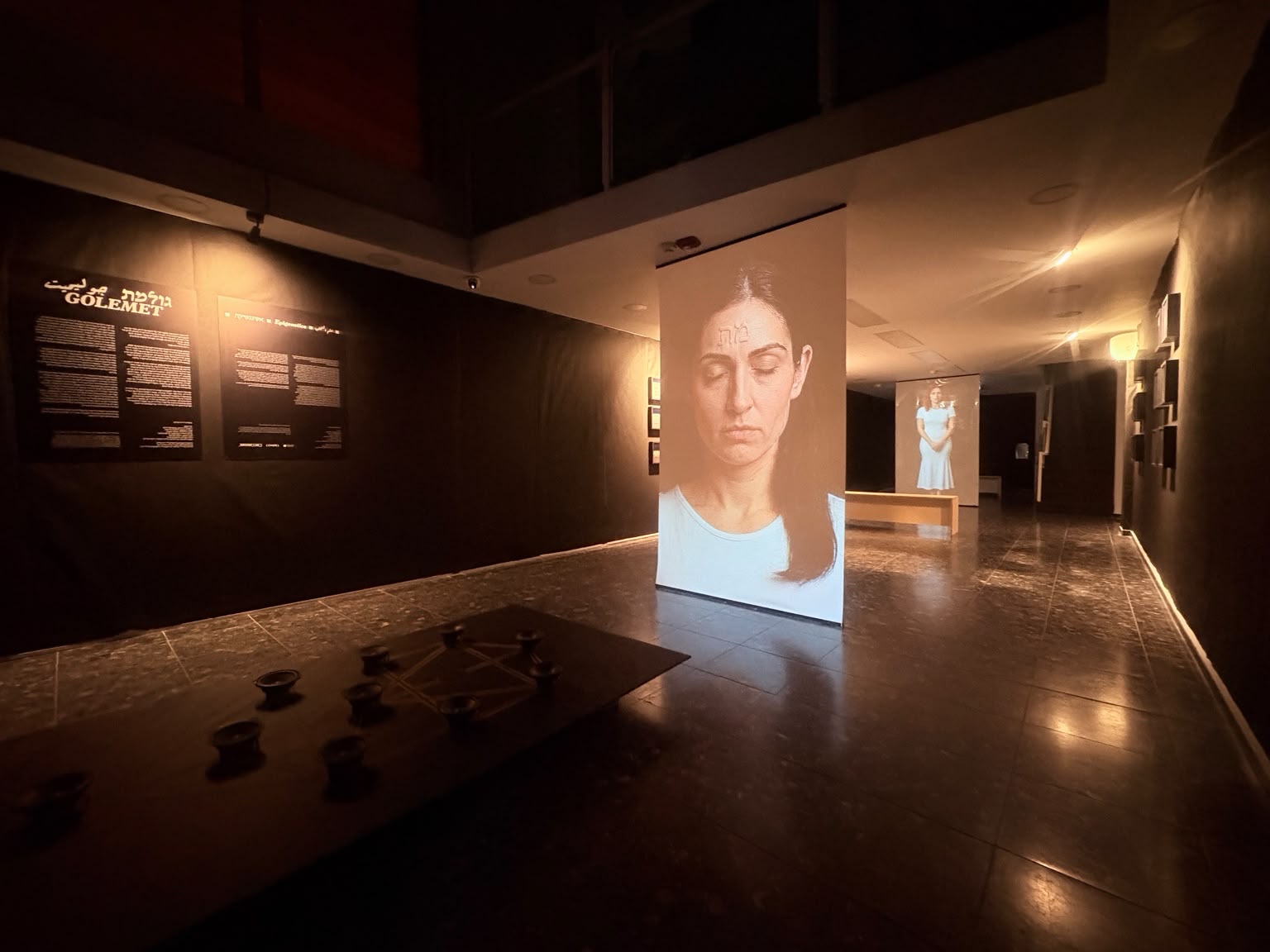
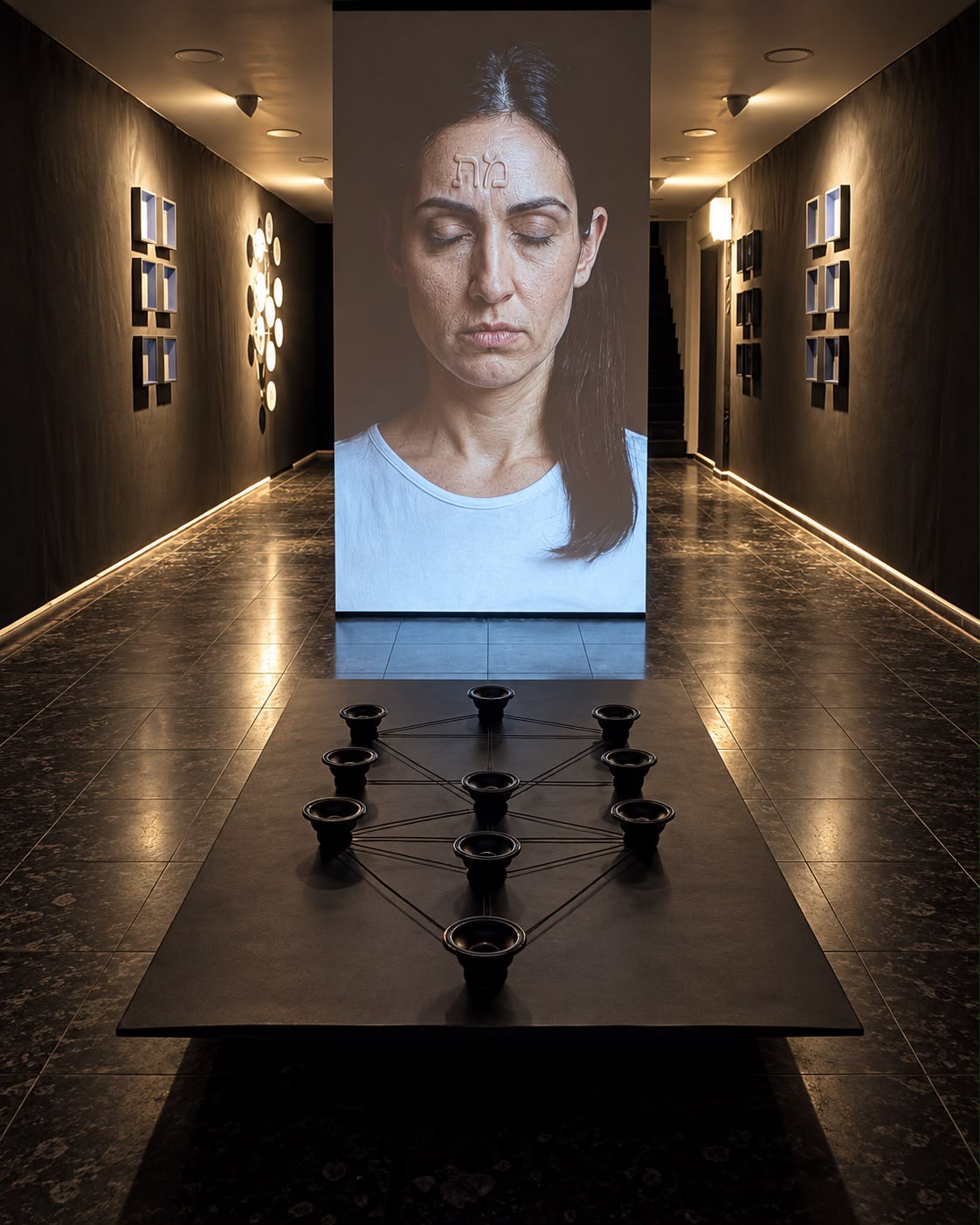
Golemet: Epigenetics is an artistic response to the massacre of October 7, 2023, examining how this event reactivated transgenerational trauma across two distinct Jewish experiences: that of Jewish women living as a minority in Europe and that of Jewish women in Israel. In both contexts, present-day threat intersects with transgenerational memory of persecution, violence, and strategies of survival. Trauma returns through the body, fear, family patterns, and the need for protection.
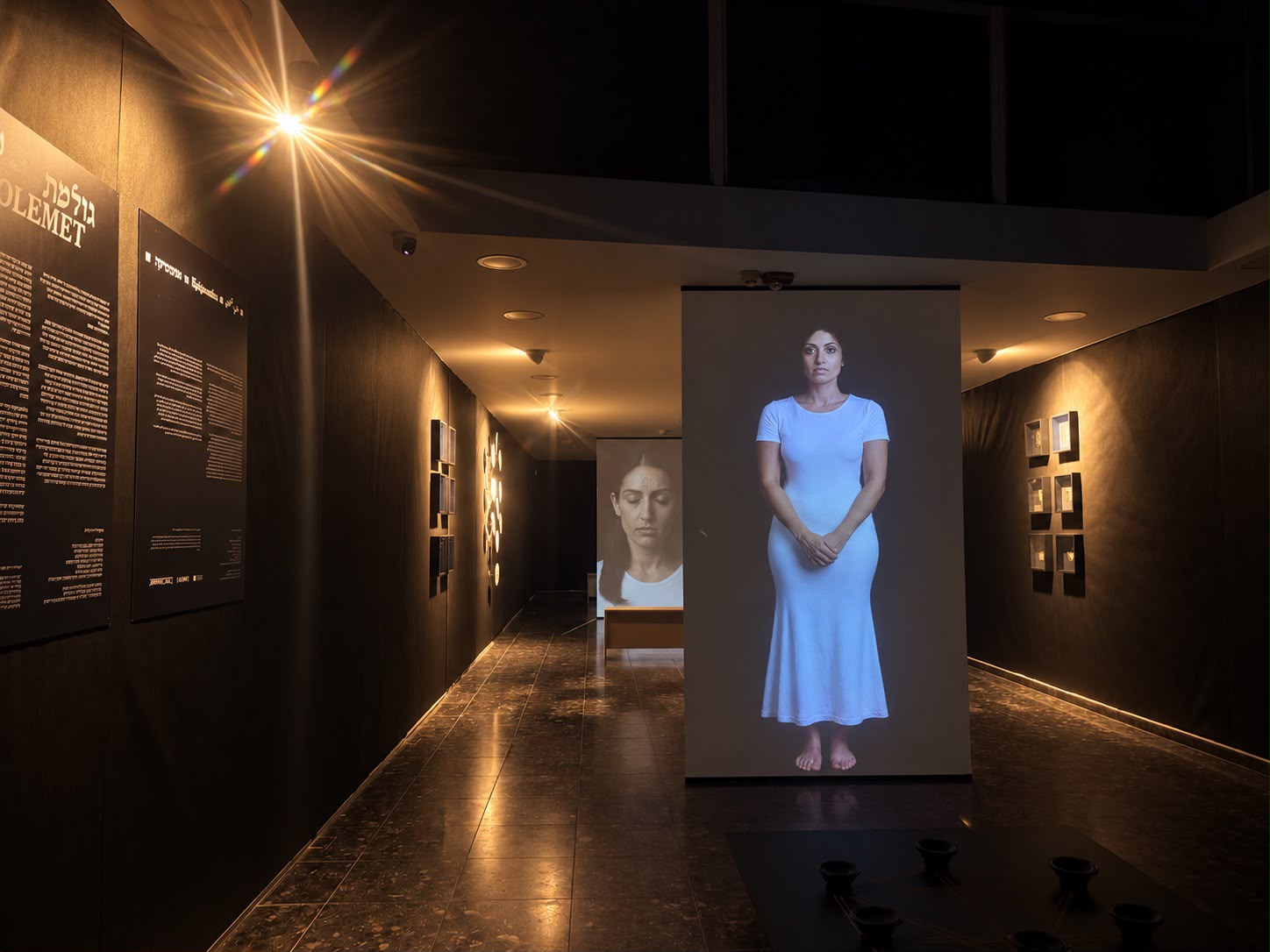
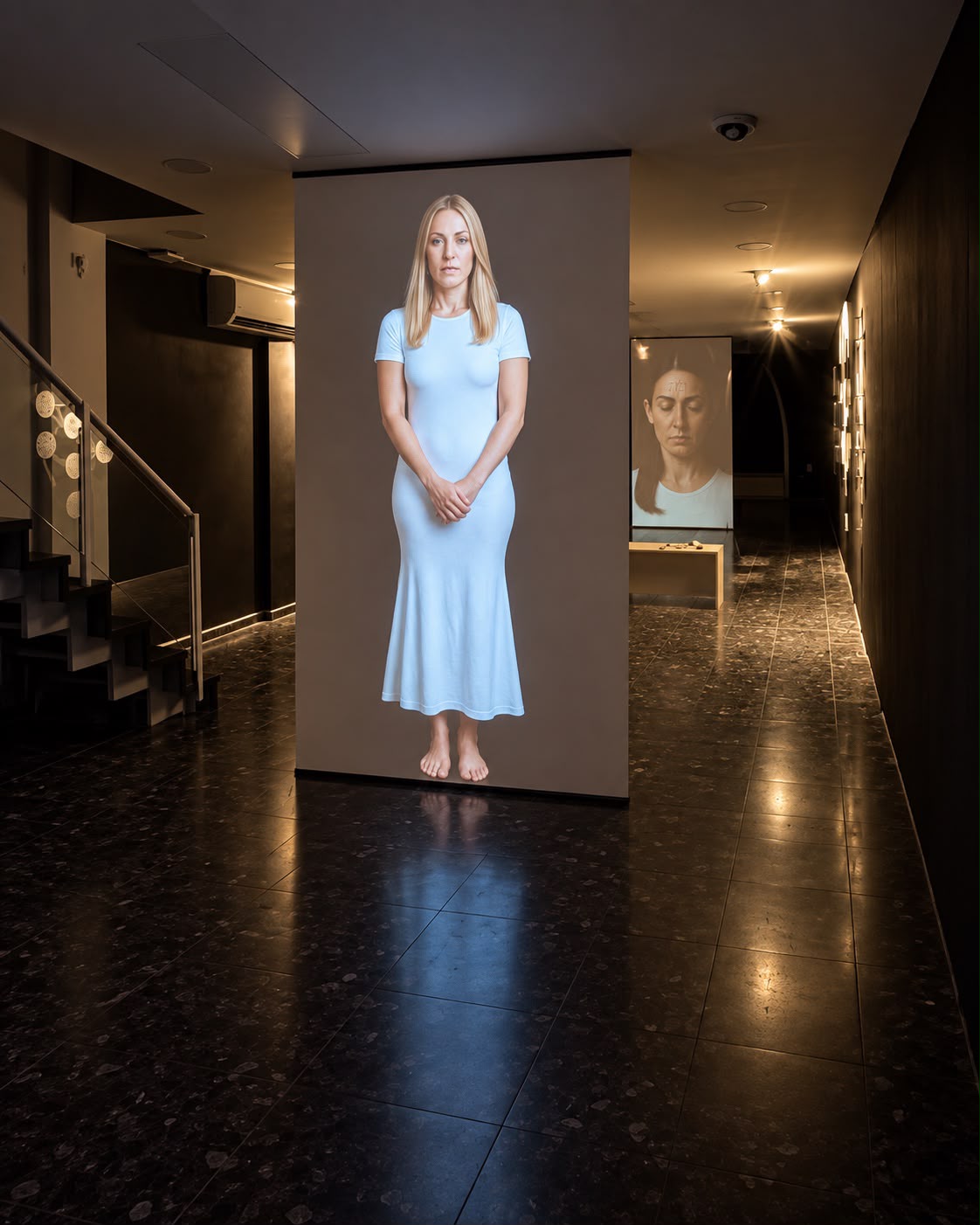
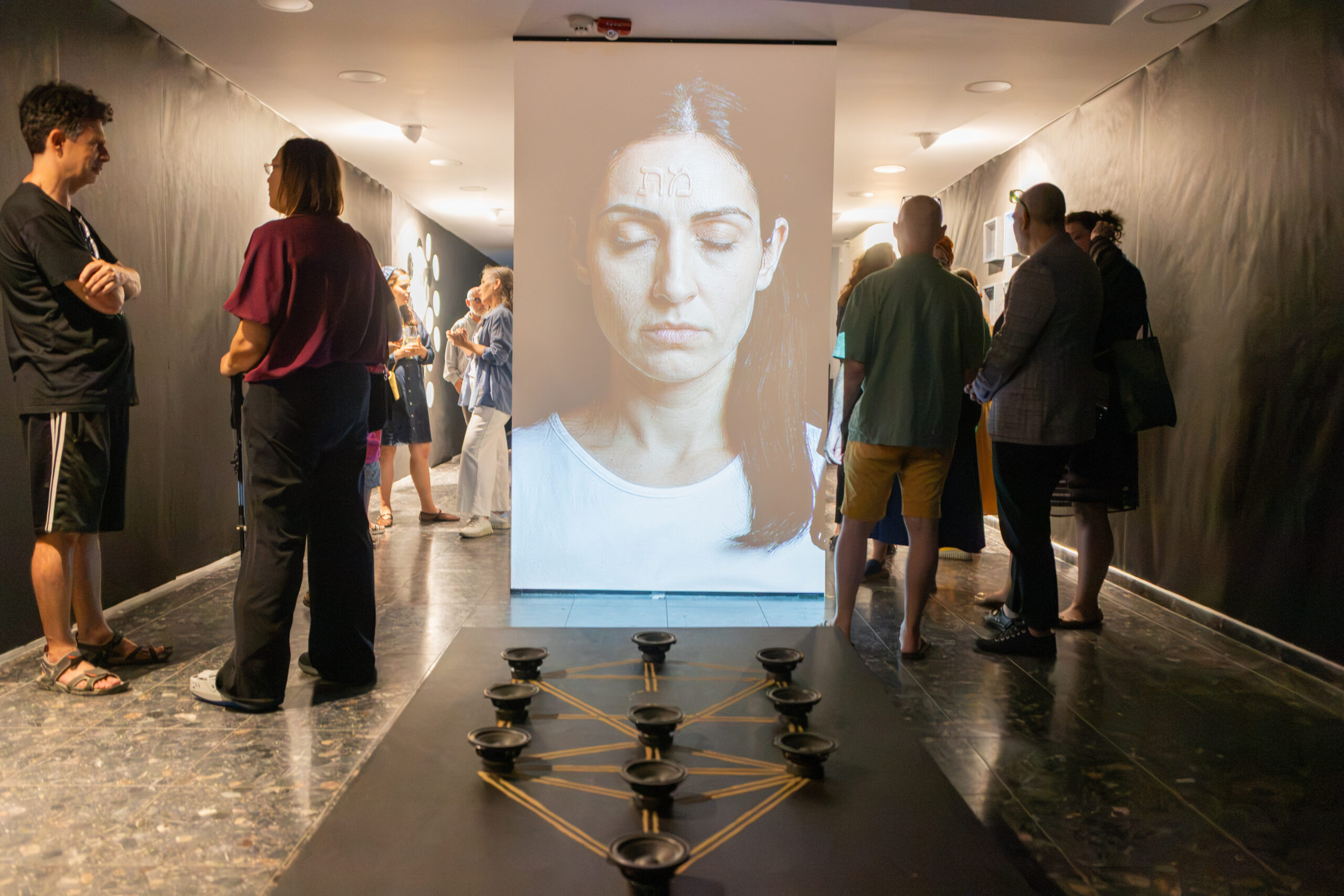
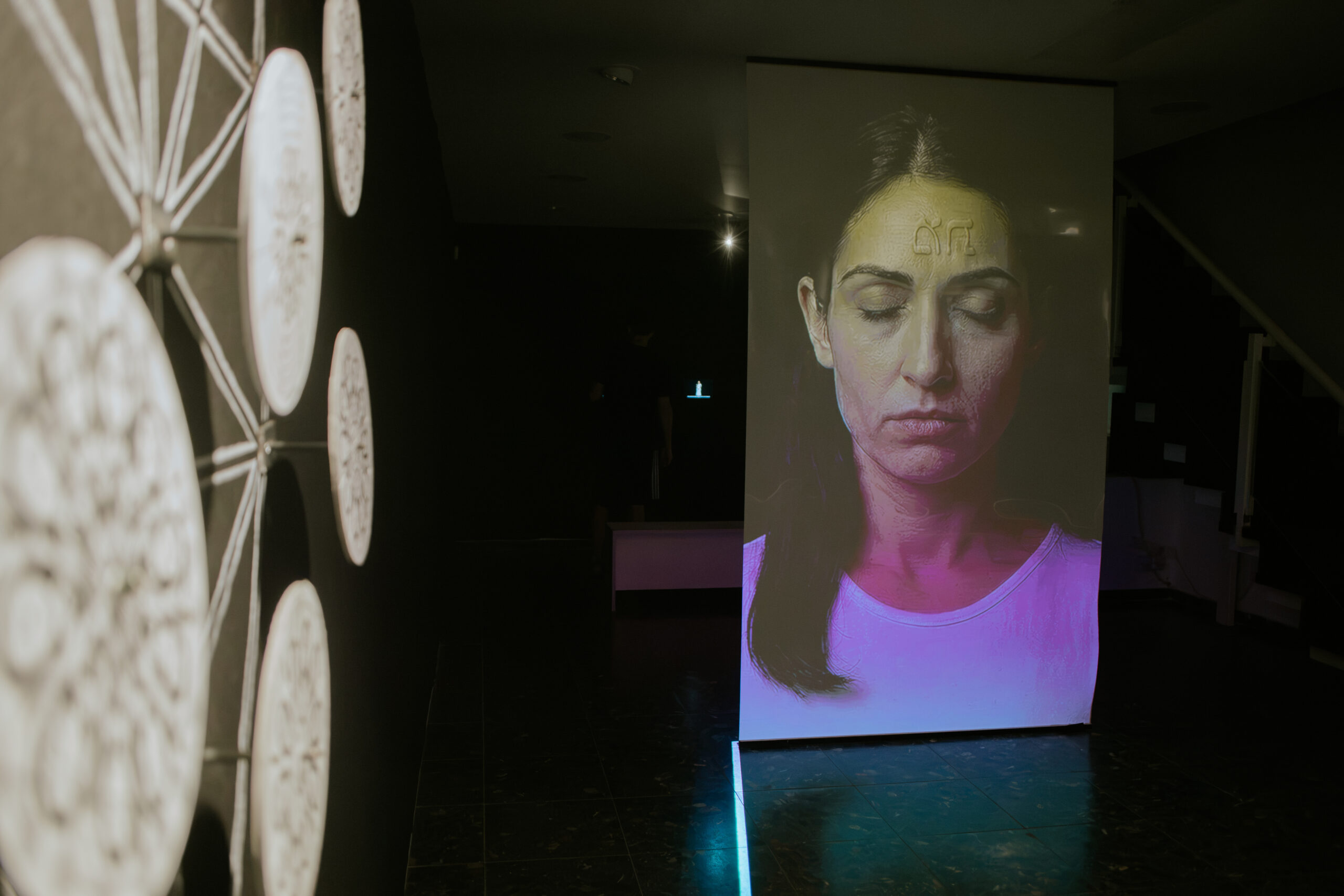
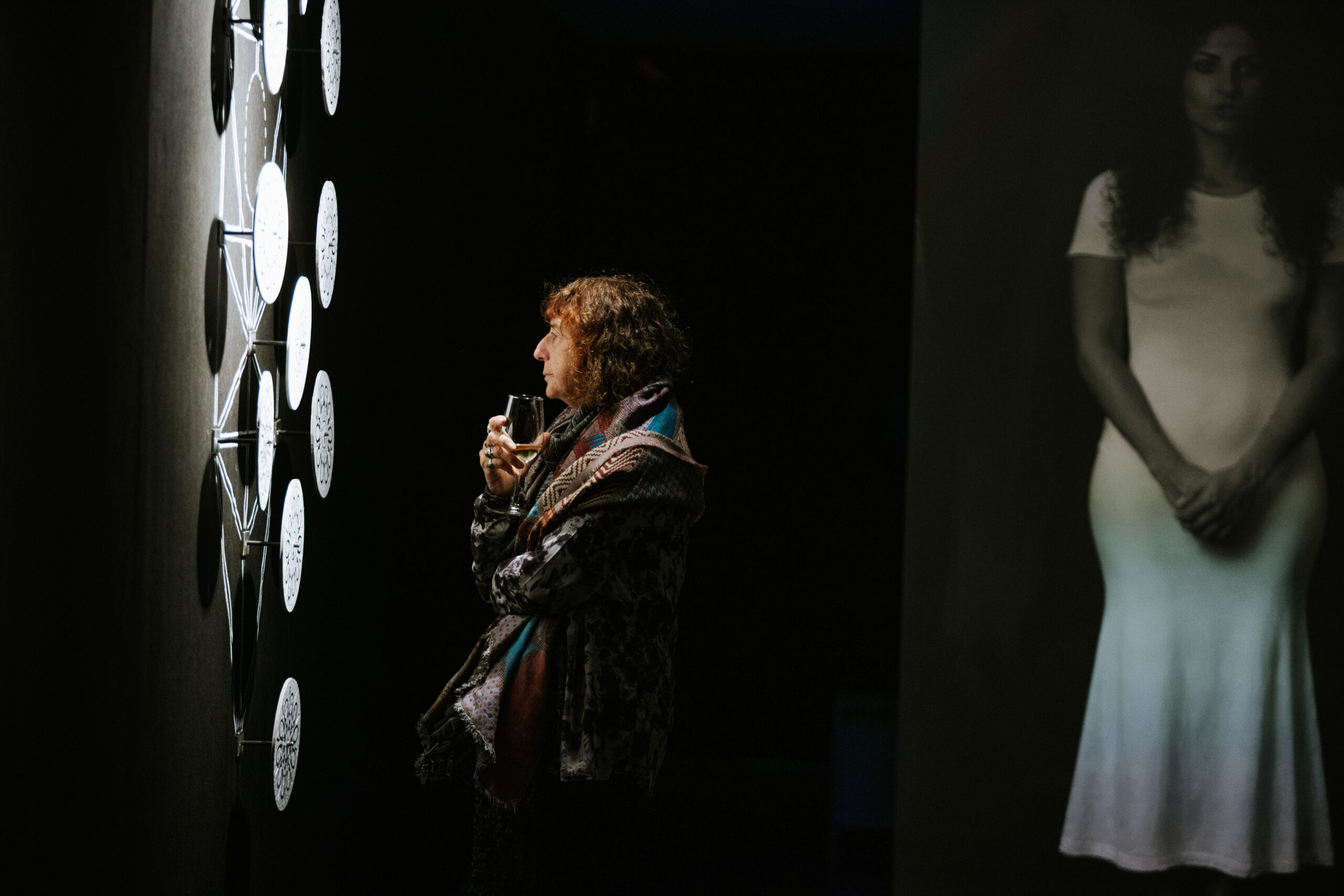
For the Jerusalem Biennale 2026, the original European Golemet enters into dialogue with the newly created Israeli Golemet. Each emerged from the testimonies of approximately thirty Jewish women, whose individual voices were editorially woven into a collective voice. Golemet is therefore fictional, but not invented. She draws on the Prague legend of the Golem as a protective being, transforming it into a collective female body. Her digital body was created using artificial intelligence, offering a contemporary interpretation of the ancient legend: just as the inanimate Golem was brought to life through the word, Golemet’s artificially created body is animated by the voices, experiences, and real emotions of women.
The testimonies of both groups are connected by experiences of vulnerability, fear for their children and loved ones, bodily stress, and the need for safety. Both also register the rise in antisemitism following October 7, albeit in different contexts, as well as a sense of isolation and symbolic exclusion within some feminist, activist, academic, artistic, and queer spaces that had previously defined themselves through solidarity. Present-day threat thus activates older layers of Jewish memory and strategies of protection.
There is, however, a fundamental difference between the two Golemet. Despite generational, social, and political differences, the European respondents described strikingly similar feelings, and their responses frequently overlapped. The Israeli Golemet, by contrast, is deeply politically divided. Her voice also emerges from the immediate experience of the massacre, abductions, sexual violence, the loss of loved ones, sirens, and the ongoing war.
For some Israeli women, trauma reinforces Jewish identity, faith, patriotism, and the need to protect their own community. For others, transgenerationally and culturally transmitted memories of historical persecution intersect, in the context of present-day trauma, with criticism of the Israeli government and nationalism, solidarity with Palestinians, and a rejection of dehumanization. Despite these opposing positions, their testimonies repeatedly return to a sense of abandonment and rejection by the outside world, persistent vulnerability, and an unrelenting stress that cannot be switched off.
The protective function of the two Golemet therefore operates differently. The European Golemet gives visibility to a voice that is being silenced in public discourse and allows Jewish women to recognize that they are not alone in their experience. The Israeli Golemet creates a space in which politically opposed voices can coexist without erasing their differences.
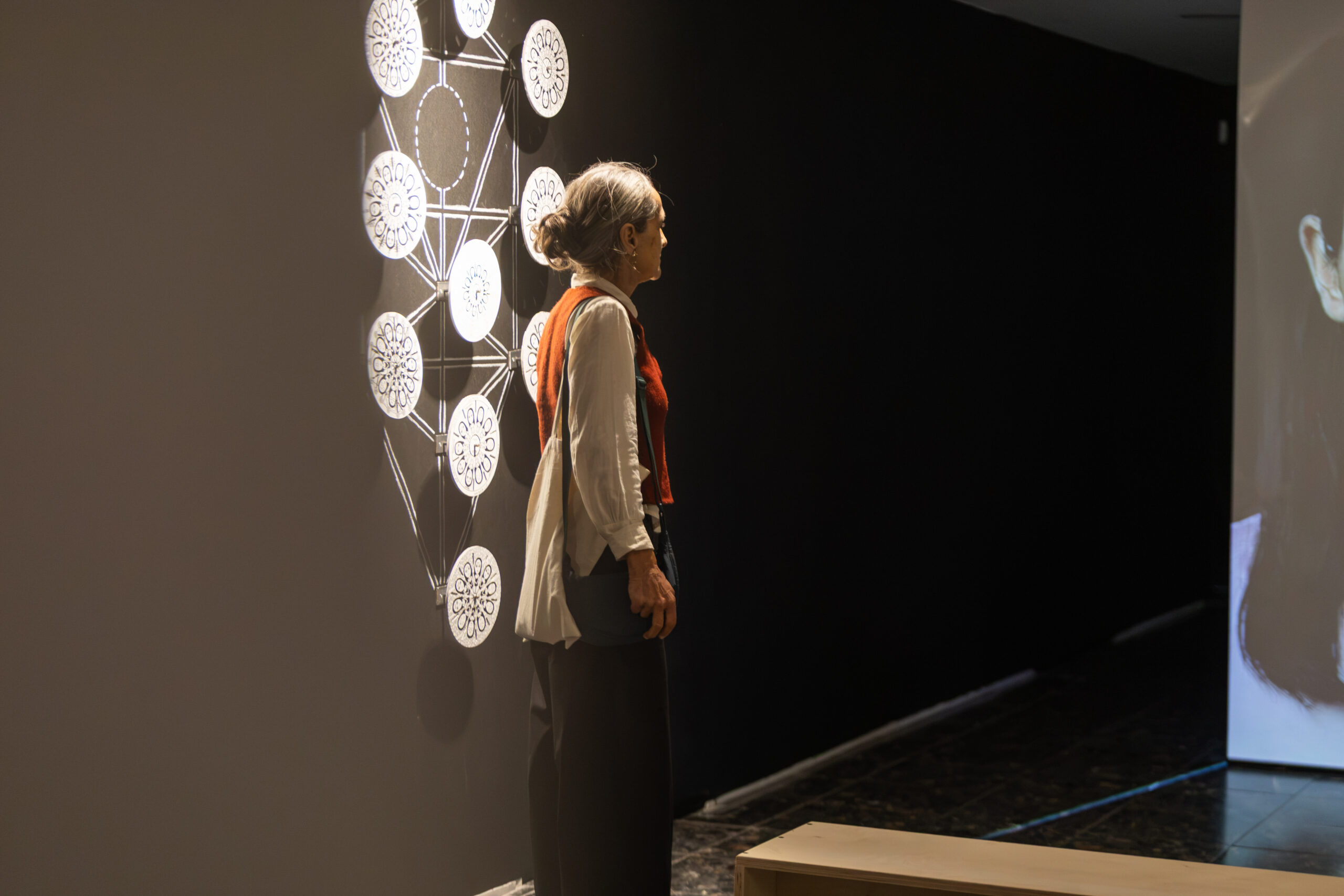
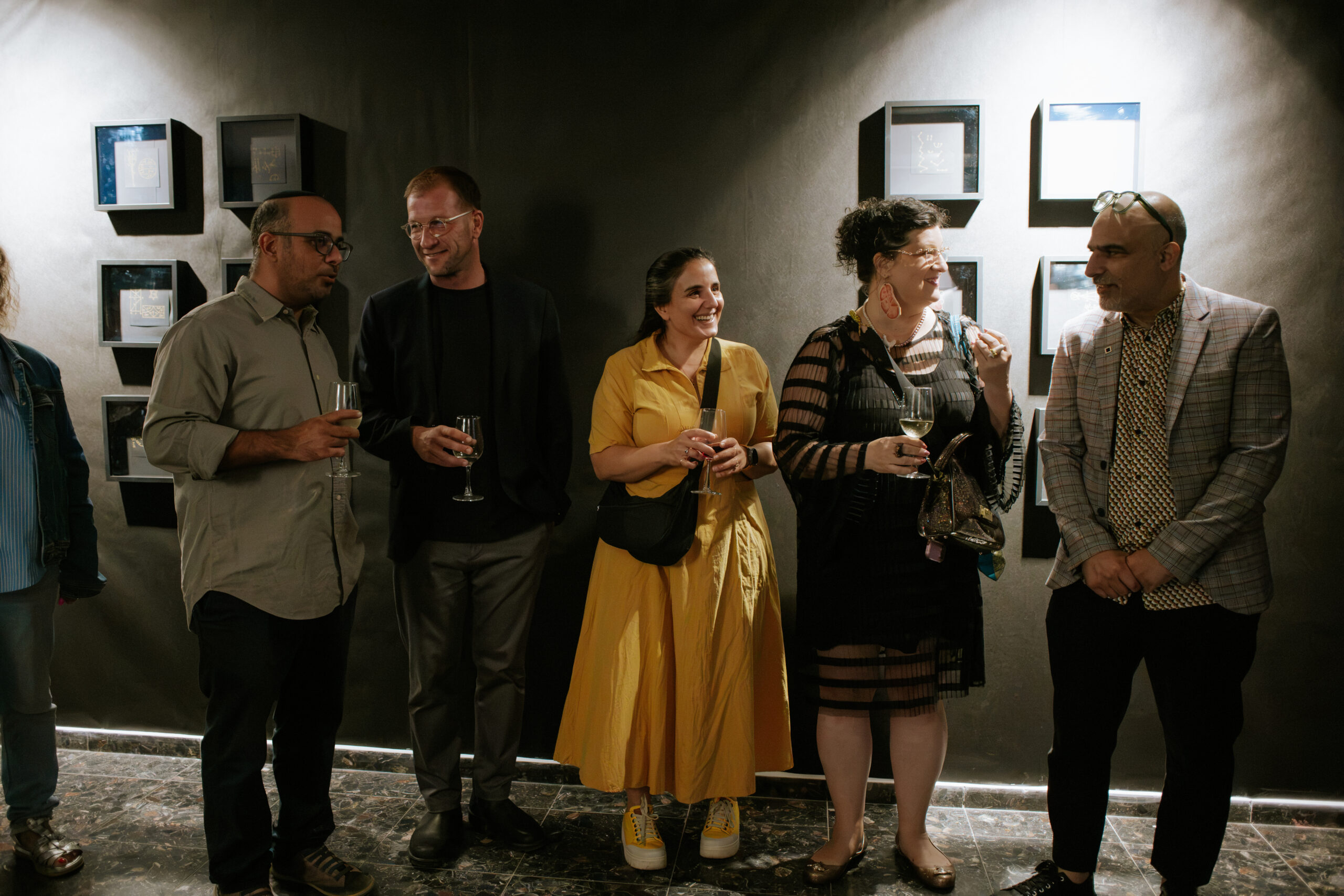
In the installation, the two Golemet stand together. One speaks while the other listens; then they exchange roles. Their voices are accompanied by the Jewish morning prayer, Shacharit. Their dialogue connects the experiences of the Jewish diaspora and Israel through transgenerational memory as it becomes inscribed in the body, in fear, in modes of protection, and in relationships to future generations.
The Israeli Golemet is the collective voice of Israeli Jewish women, not of all women living in Israel. This choice is rooted in the project’s mythological and cultural foundations. Golemet draws on the Jewish tradition of the Prague Golem, using it as a framework through which to explore how transgenerational Jewish memory, trauma, and strategies of protection are inscribed in the bodies and voices of Jewish women in Israel. This particular framework is not intended to represent or encompass the voices of Palestinian women, Muslim or Christian, or of foreign women living in Israel, whose experiences are shaped by different traditions, memories, and cultural contexts.
Golemet does not establish a hierarchy of suffering, nor does she propose a single moral truth. The two Golemet do not seek to persuade one another. They create a space in which different voices can speak and be heard.
Curator: Lee He Shulov
Work credits:
Dimitrij Ryženkov, post-production
Sonja Vectomov, music composition, voice-over
Martin Kadlečík, technical support
Marina Vohralík Šternová, text editor
Wanja Schaub, Exhibition Installation
Raji Bathish, Arabic Translation
Slovak Institute in Jerusalem, Milan Vrbovsky, Princ Robert
Art Cube Artists’ Studios, Lee He Shulov
Artivist Lab, Tamara Moyzes and Shlomi Yaffe
Acknowledgements: Emily D. Bilski for her valuable insights and consultation.
¹ Egon Erwin Kisch, 1938. Quoted in Golem. Berlin: Jewish Museum Berlin, 2016.
*Egon Erwin Kisch (1885–1948) was a prominent Jewish journalist and communist who was active in Prague and Berlin. Born in Prague into an established Jewish family that regarded itself as having ancestral ties to Rabbi Judah Loew ben Bezalel (the Maharal of Prague), Kisch invoked the legend of the Golem associated with the Maharal as a powerful metaphor and an expression of distress in response to the devastating antisemitism of the 1930s. The quotation is taken from a personal letter Kisch wrote in October 1938, reflecting his deep anxiety and that of the Jews of Czechoslovakia at the time, following the signing of the “Munich Agreement,” which left the country exposed to Nazi Germany.
Partners: Center for Memory and Dialogue Bubny, Slovak Institute Jerusalem, Art Cube Artists’ Studios, Artivist Lab, The Jerusalem Biennale