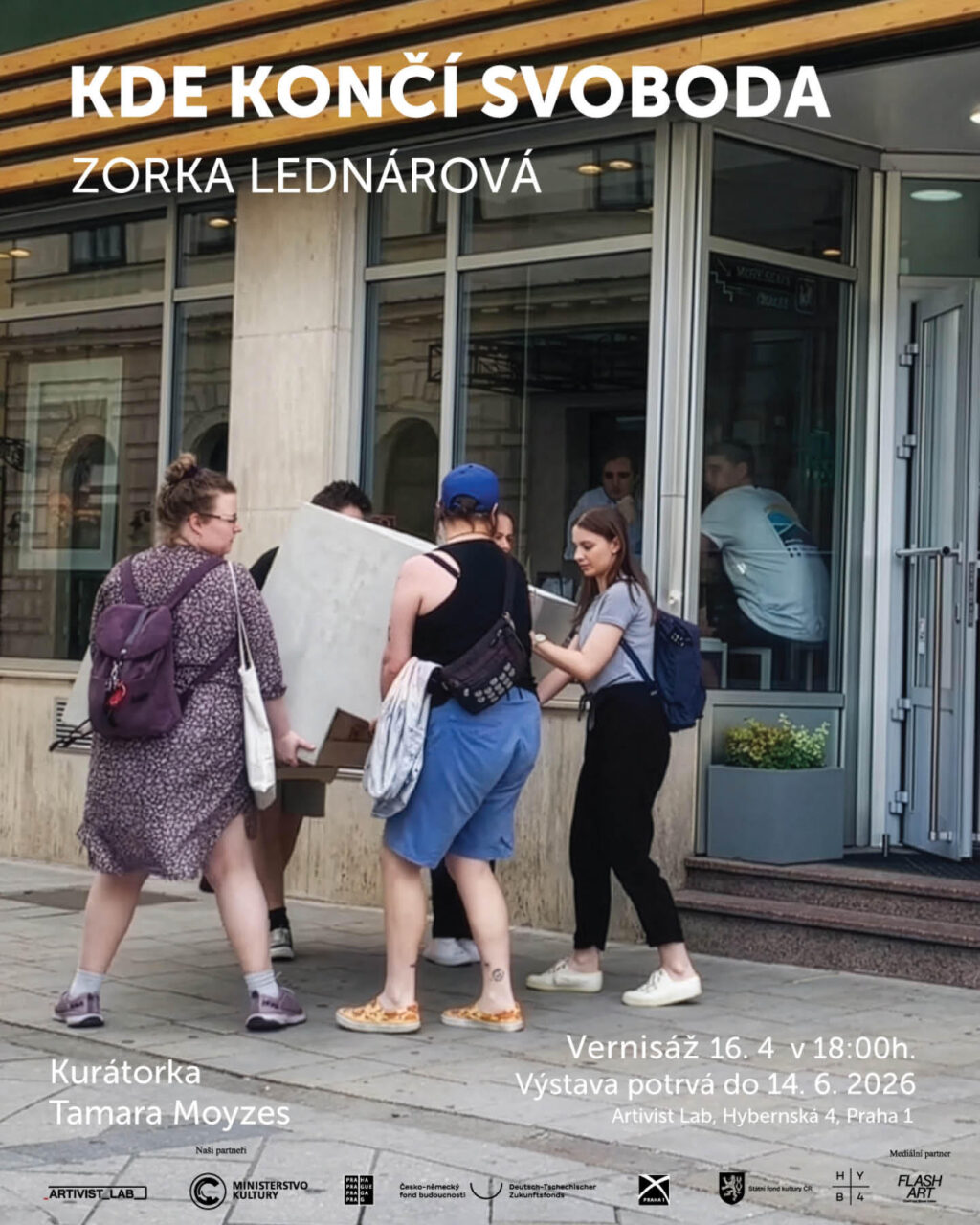
Zorka Lednárová
Artivist Lab, Praha
Vernisáž: 16. 4. 2026 v 18.00
Výstava trvá: 17. 4. – 14. 6. 2026
Kde končí svoboda Zorky Lednárové tematizuje přístupnost veřejného prostoru nikoli jako technický nebo administrativní problém, ale jako otázku politickou, tělesnou a institucionální. Projekt vychází z rezidenčního pobytu umělkyně v Artivist Labu a rozvíjí se jako soubor intervencí, workshopů, přednášek, sběru výpovědí a vizuálních výstupů, které společně zkoumají, komu je veřejný prostor skutečně určen a komu zůstává i nadále podmíněně nebo zcela uzavřen. Základním východiskem projektu je skutečnost, že svoboda pohybu není ve společnosti rozložena rovnoměrně, ale je formována konkrétní architekturou, provozem institucí i mírou ochoty přizpůsobit prostředí rozmanitým potřebám jeho uživatelstva.
Tento rámec je ve výstavě rozvinut prostřednictvím pěti intervencí, během nichž umělkyně symbolicky i fyzicky blokovala vstupy do veřejných institucí, které samy nejsou zpřístupněny lidem pohybujícím se na vozíku. Tím obrací logiku vyloučení a zviditelňuje situaci, která bývá v každodenním fungování města považována za normu. Zásadní přitom je, že tyto akce nefungují pouze jako individuální gesto umělkyně, ale vytvářejí situace, v nichž se přítomní lidé stávají participujícími aktéry projektu. Dokumentace těchto veřejných zásahů se následně stává hlavním materiálem výstavy a proměňuje efemérní událost ve sdílený obraz institucionální nepřístupnosti.^1
Právě v tomto smyslu se projekt přibližuje tomu, co Claire Bishop označuje za participativní umění, tedy takovou uměleckou praxi, v níž se lidé stávají ústředním médiem a materiálem práce.^1 Bishop zároveň upozorňuje, že participace sama o sobě nezaručuje emancipaci ani politickou účinnost; její význam je třeba číst ve vztahu ke konkrétní formě zapojení, institucionálnímu rámci i napětí mezi estetikou, konfliktem a sociální zkušeností.^1 U Zorky Lednárové proto nejde o ilustrativní „zapojení veřejnosti“, ale o situaci, v níž se přítomnost účastnictva stává epistemickým i formálním základem díla. Participace zde není doprovodným programem výstavy, ale jedním z jejích hlavních médií.
Tato logika se zřetelně projevuje také v performativním workshopu a navazující diskusi se studentstvem, které nejsou koncipovány jako edukační příloha výstavy, ale jako její integrální výzkumná a performativní složka. Účastnice a účastníci vstupují do školního prostoru z perspektivy člověka pohybujícího se na invalidním vozíku a jejich zkušenost je dále artikulována prostřednictvím dotazníků, sdílené reflexe a anonymizovaných záznamů. Dotazník zde nefunguje jako externí sociologický nástroj připojený k uměleckému dílu zvnějšku, ale jako součást jeho metodologie. Data, odpovědi a svědectví se stávají jedním z materiálů projektu, tedy součástí jeho formy, obsahu i veřejného účinku. Výzkum zde není něčím, co by výstavu pouze dokumentovalo, ale něčím, co ji spoluutváří.
Právě v tomto bodě je užitečné uvažovat o projektu také prizmatem uměleckého aktivismu. Stephen Duncombe chápe artistic activism jako hybridní praxi, která propojuje afektivní sílu umění s efektivními cíli aktivismu, a zdůrazňuje, že tato oblast potřebuje nejen silné obrazy a zásahy, ale i promyšlenou teorii změny, tedy schopnost formulovat, jak konkrétní umělecká akce vstupuje do sociální reality, co mobilizuje a jaké proměny může iniciovat.^2 V projektu Kde končí svoboda se tato logika projevuje právě ve spojení intervence, tělesné zkušenosti, sběru dat a veřejné debaty. Výstava nevytváří pouze reprezentaci problému nepřístupnosti, ale usiluje o to, aby skrze zkušenost, sdílení a institucionální konfrontaci vstoupila do procesu jeho společenské artikulace. Dotazník a následně vznikající data zde nepředstavují neutrální důkazní materiál, ale nástroj kolektivního pojmenování zkušenosti, který zároveň rozšiřuje pole viditelnosti tohoto tématu.^2 ^3
Výstava tak stojí na průsečíku několika rovin. Je dokumentací konkrétních zásahů do veřejného prostoru, protože ukazuje pět intervencí realizovaných u nepřístupných institucí. Je participativní situací, protože zahrnuje studentstvo i širší veřejnost do procesu tvorby významu. Je výzkumnou platformou, protože pracuje s dotazníky, anonymizovanými odpověďmi a reflexemi jako s aktivní složkou díla. A je současně artivistickou praxí, protože neusiluje jen o interpretaci reality, ale také o její zpochybnění a proměnu.
Právě tato mnohovrstevnatost je na projektu zásadní: nepřístupnost se zde neukazuje jen jako architektonická bariéra, ale jako symptom hlubšího nastavení společnosti, která sice deklaruje otevřenost, ale ve svých institucích stále reprodukuje nerovný přístup k pohybu, účasti a přítomnosti.
V tomto smyslu název Kde končí svoboda neoznačuje abstraktní filozofickou otázku, ale velmi konkrétní hranici. Tato hranice se objevuje ve chvíli, kdy se deklarovaná otevřenost veřejné instituce střetne s realitou schodů, prahů, úzkých vstupů, chybějících výtahů a provozních pravidel, která část veřejnosti předem vylučují. Projekt Zorky Lednárové tuto hranici nejen tematizuje, ale převádí ji do viditelné, sdílené a analyzovatelné podoby. Právě zde spočívá jeho síla: v propojení estetického gesta, participativní zkušenosti a výzkumného nástroje, které dohromady vytvářejí formu umělecké kritiky schopné vstupovat do veřejného prostoru i institucionální debaty současně.
Zorka Lednárová je vizuální umělkyně, sochařka a kurátorka působící mezi Berlínem a Bratislavou, jejíž tvorba dlouhodobě otevírá otázky hranic, svobody pohybu, identity a společenských bariér. Patří ke generaci formované zkušeností pozdního socialismu i porevoluční transformace, její práce však tyto dějinné zlomy promýšlí s mimořádnou osobní i politickou intenzitou. Jako jedna z prvních slovenských studentek odešla po roce 1989 studovat do Německa a později i do Číny, zároveň byla jedinou ženou své generace, která se věnovala monumentálnímu sochařství. Studovala v Bratislavě, Kielu, Hangzhou a Berlíně, spoluzaložila a vedla berlínský kritický umělecký prostor OKK / Raum 29 a její díla byla představena na výstavách v Evropě, Číně, Japonsku i Brazílii. Ve své umělecké praxi citlivě reaguje na proměny současného světa, od migrace přes klimatickou krizi až po institucionální vylučování, a vytváří díla, která spojují sochařské myšlení, prostorovou zkušenost a jasně formulovaný občanský postoj.
https://www.lednarova.com/home
Kurátorky: Tamara Moyzes a Zuzana Štefková
Text: Tamara Moyzes
Link na FB event vernisáže:
https://fb.me/e/7k5U64qkh
DOPROVODNÝ PROGRAM:
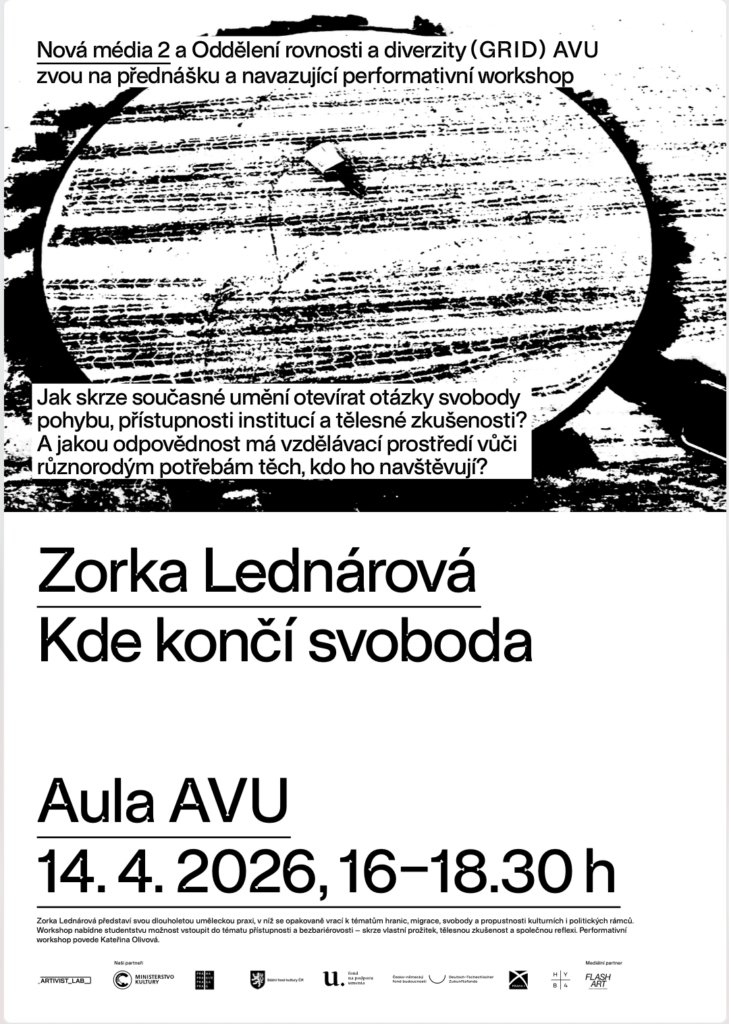
Přednáška a performativní workshop: úterý 14. 4. 2026 od 16.00 do 18.30hod.
Kde: AVU, aula, U Akademie 4, Praha 7
https://fb.me/e/9gjGaKVUj
Podpora:
Ministerstvo kultury ČR, Hlavní město Praha, Česko-německý fond budoucnosti, Státní fond kultury ČR, Městská část Praha 1
Spolupráce:
Artivist Lab, Artwall Gallery, Akademie výtvarných umění v Praze, Kampus Hybernská, Akademie výtvarných umění v Drážďanech a berlínský prostor TOP e. V.
1. Claire Bishop, Artificial Hells: Participatory Art and the Politics of Spectatorship (London and New York: Verso, 2012).
2. Stephen Duncombe, .ffect: The Affect and Effect of Artistic Activism (New York: Fordham University Press, 2024).
3. Stephen Duncombe, “Does it Work? The Æffect of Activist Art,” 2016.
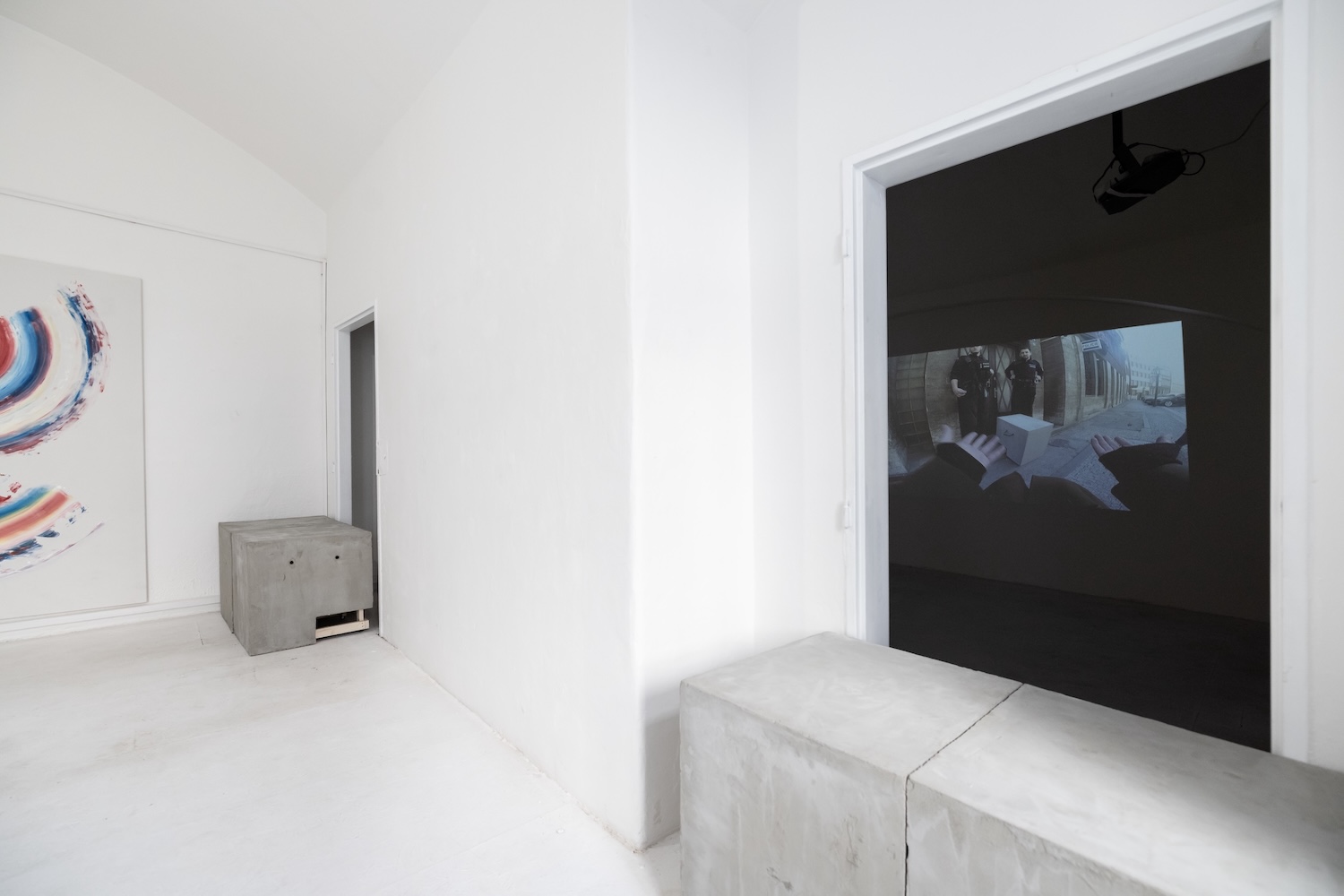
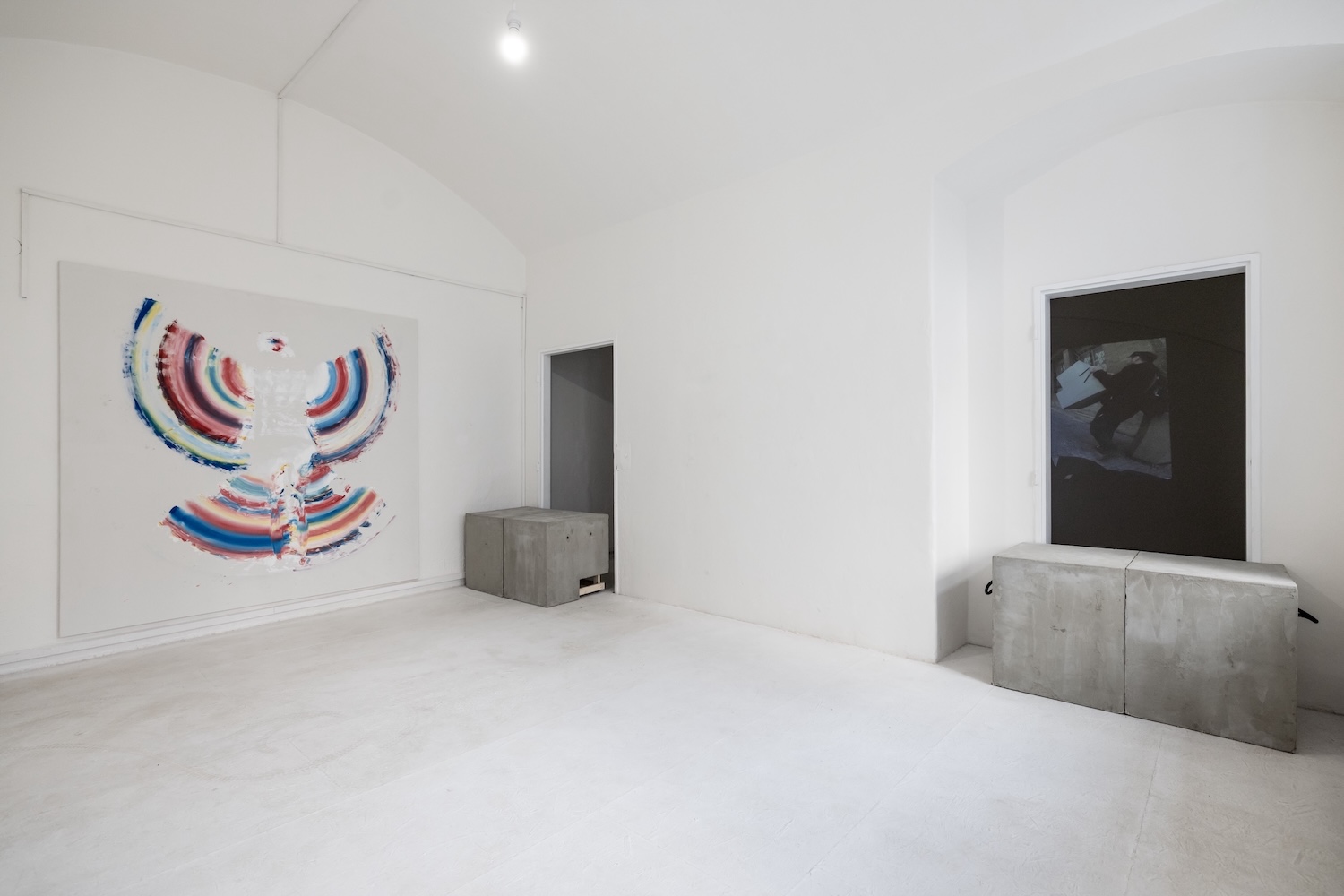
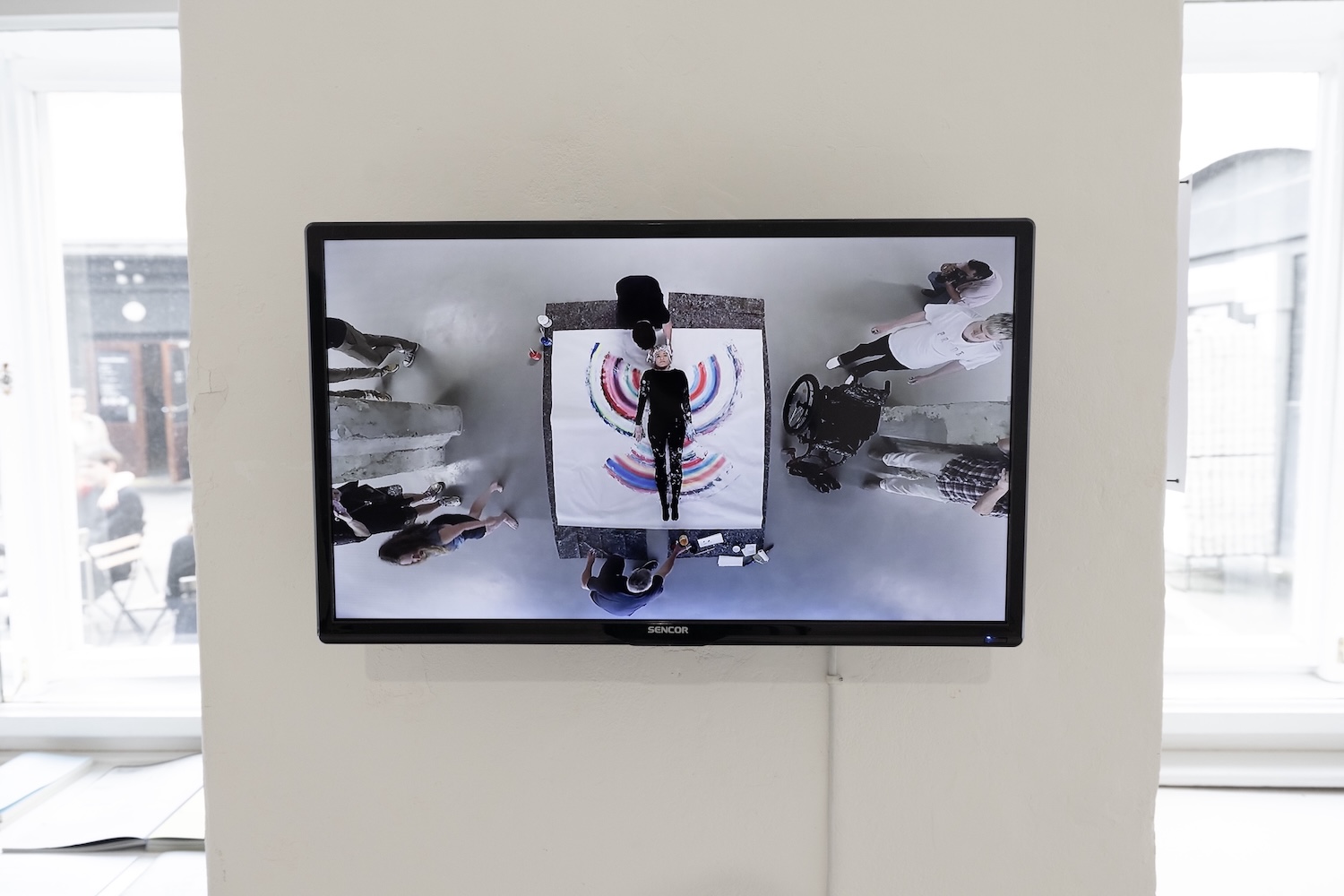
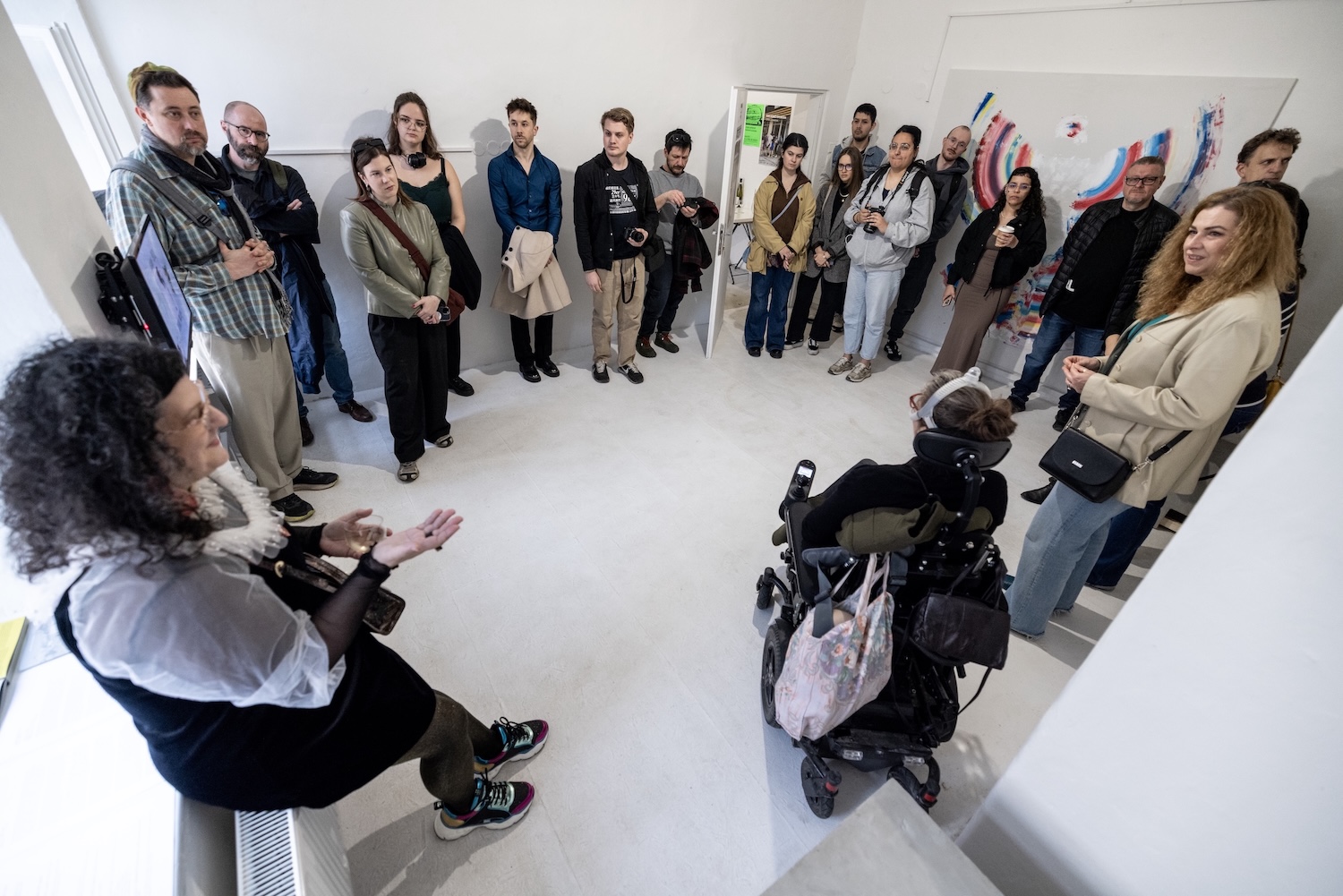
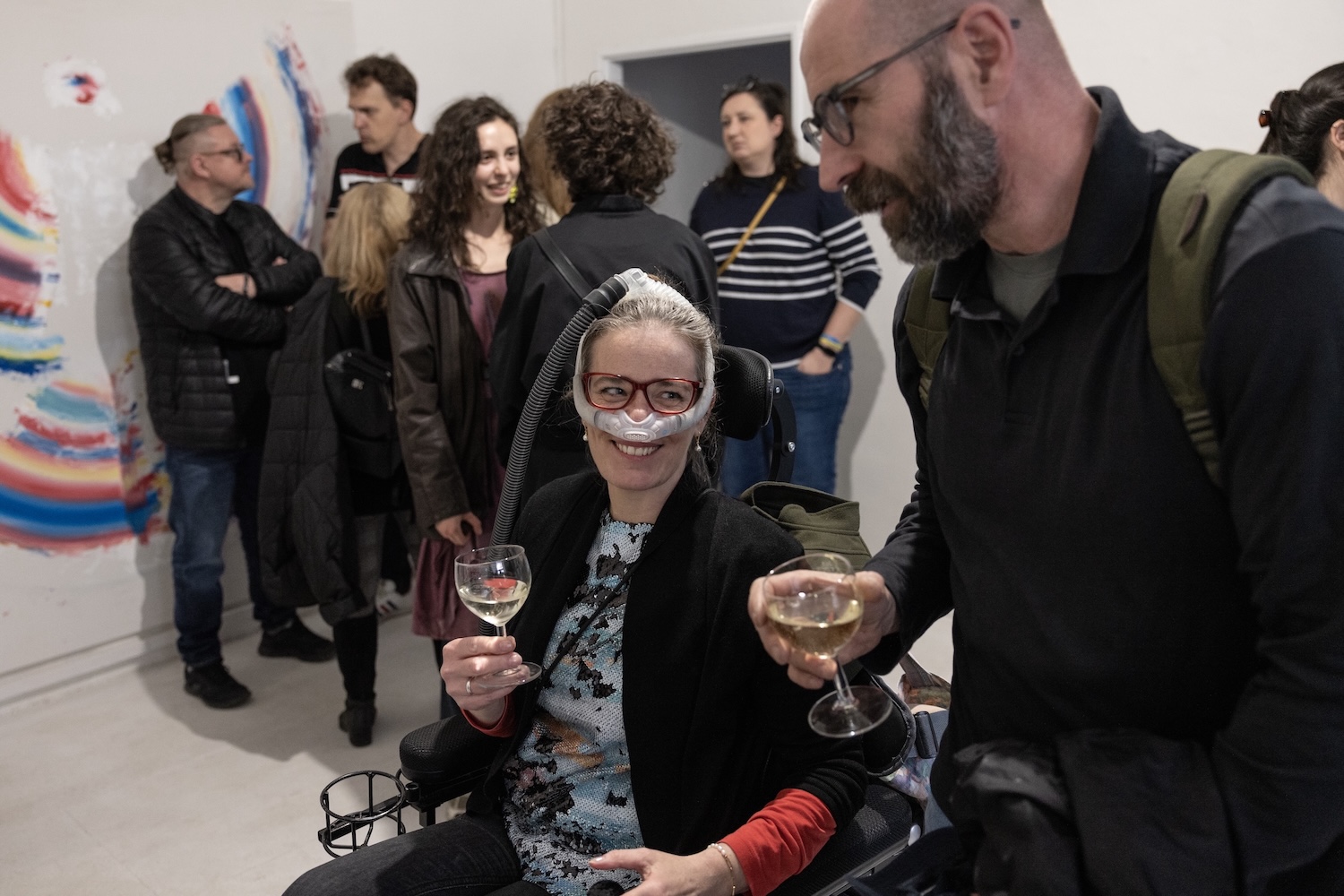

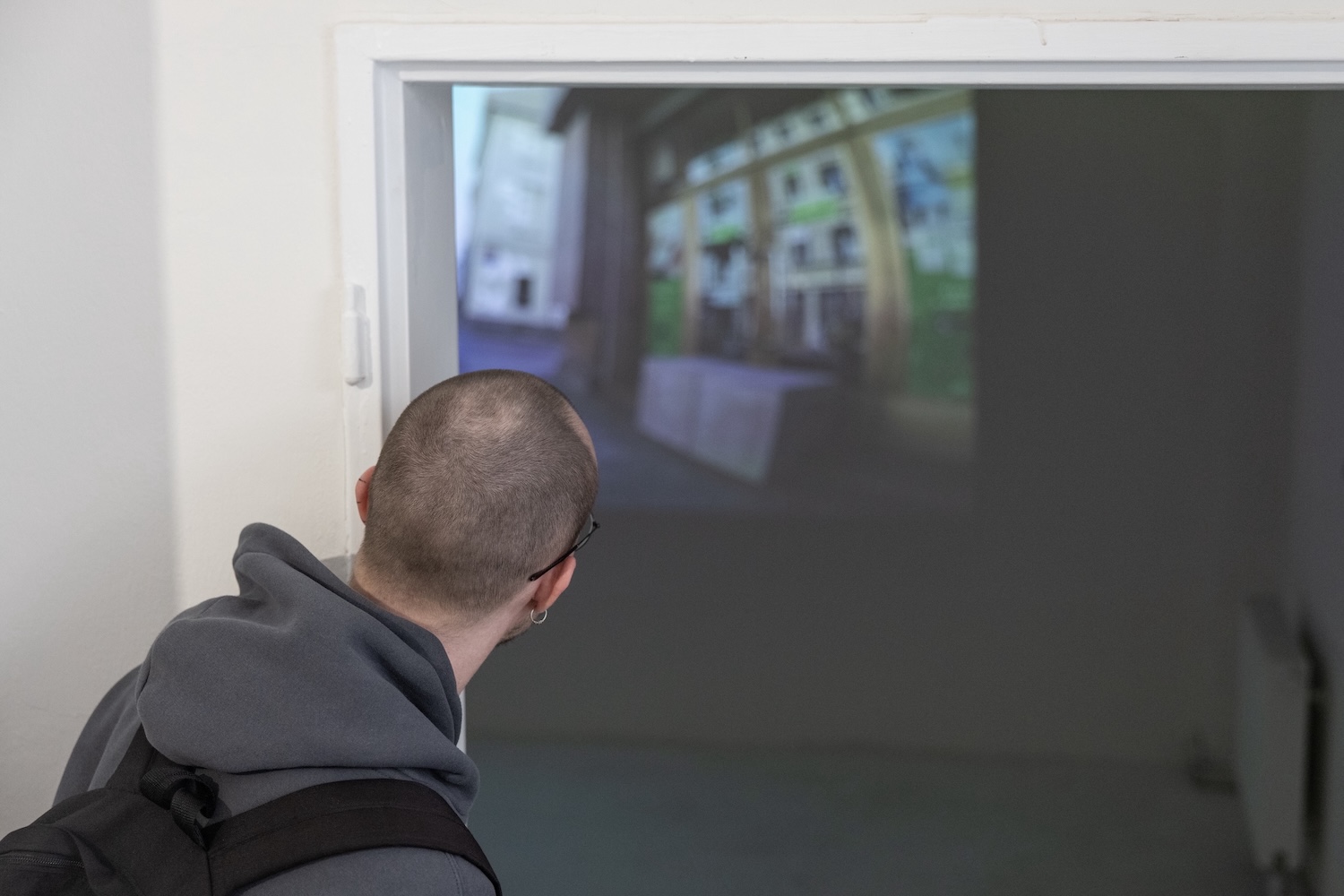
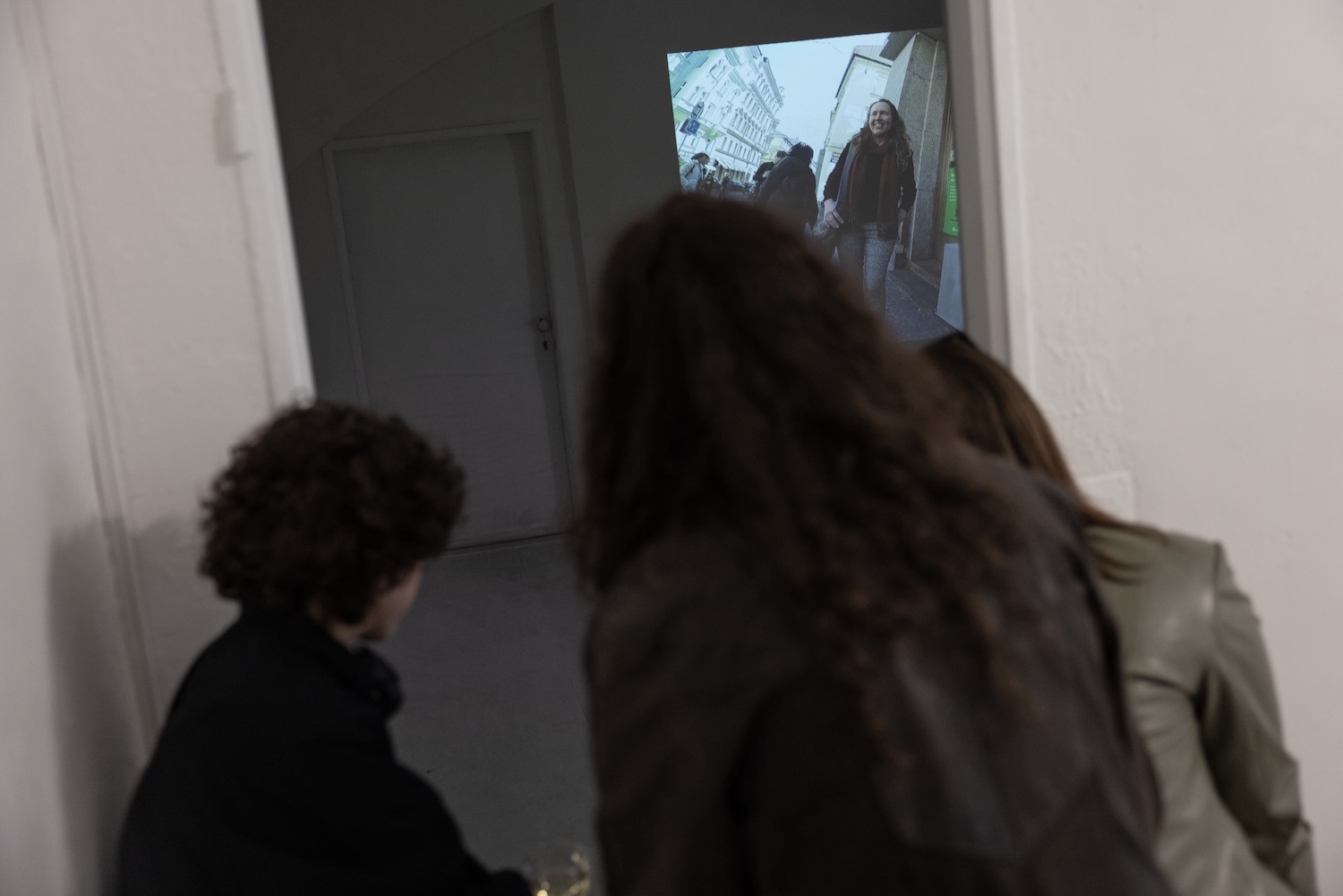
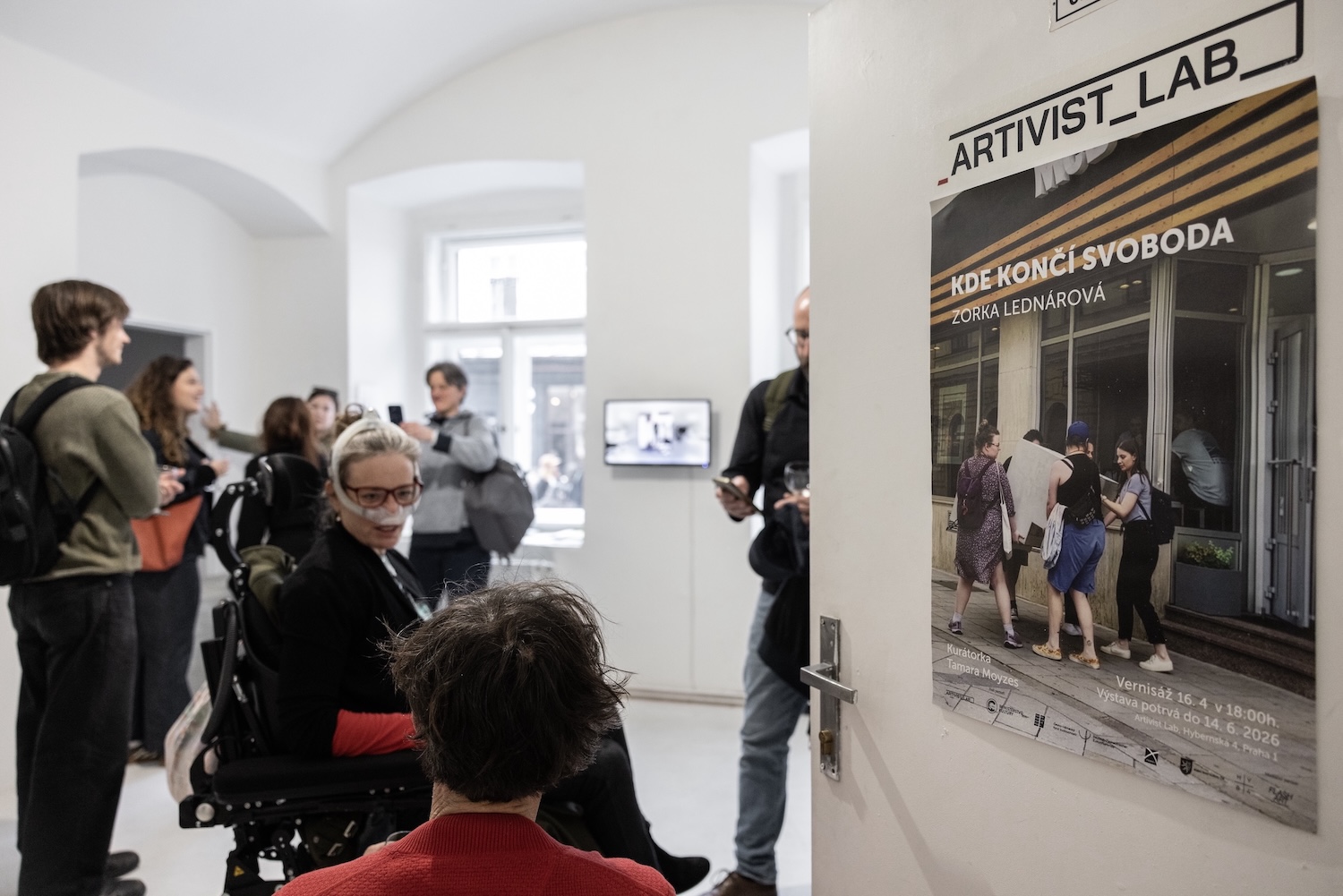
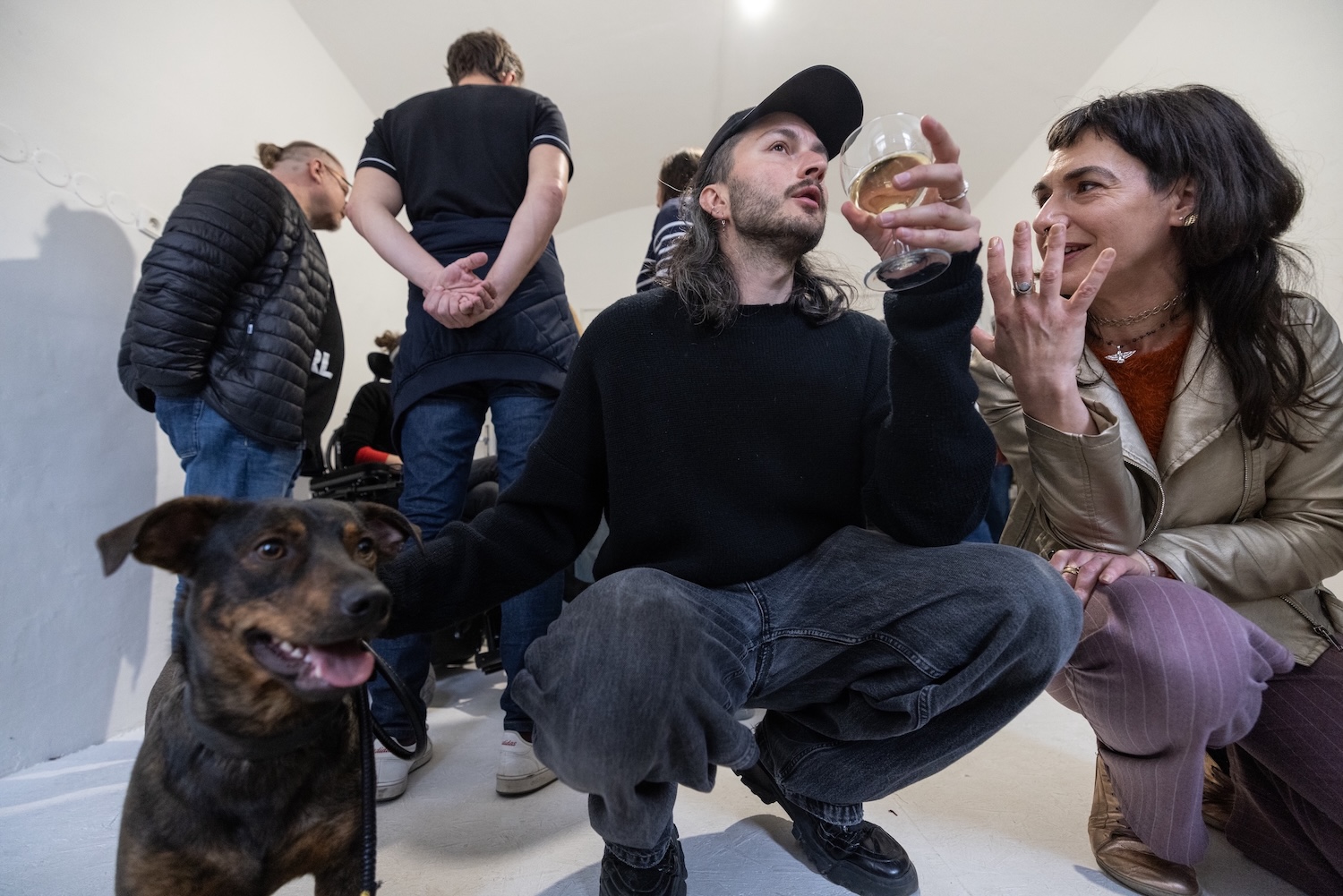
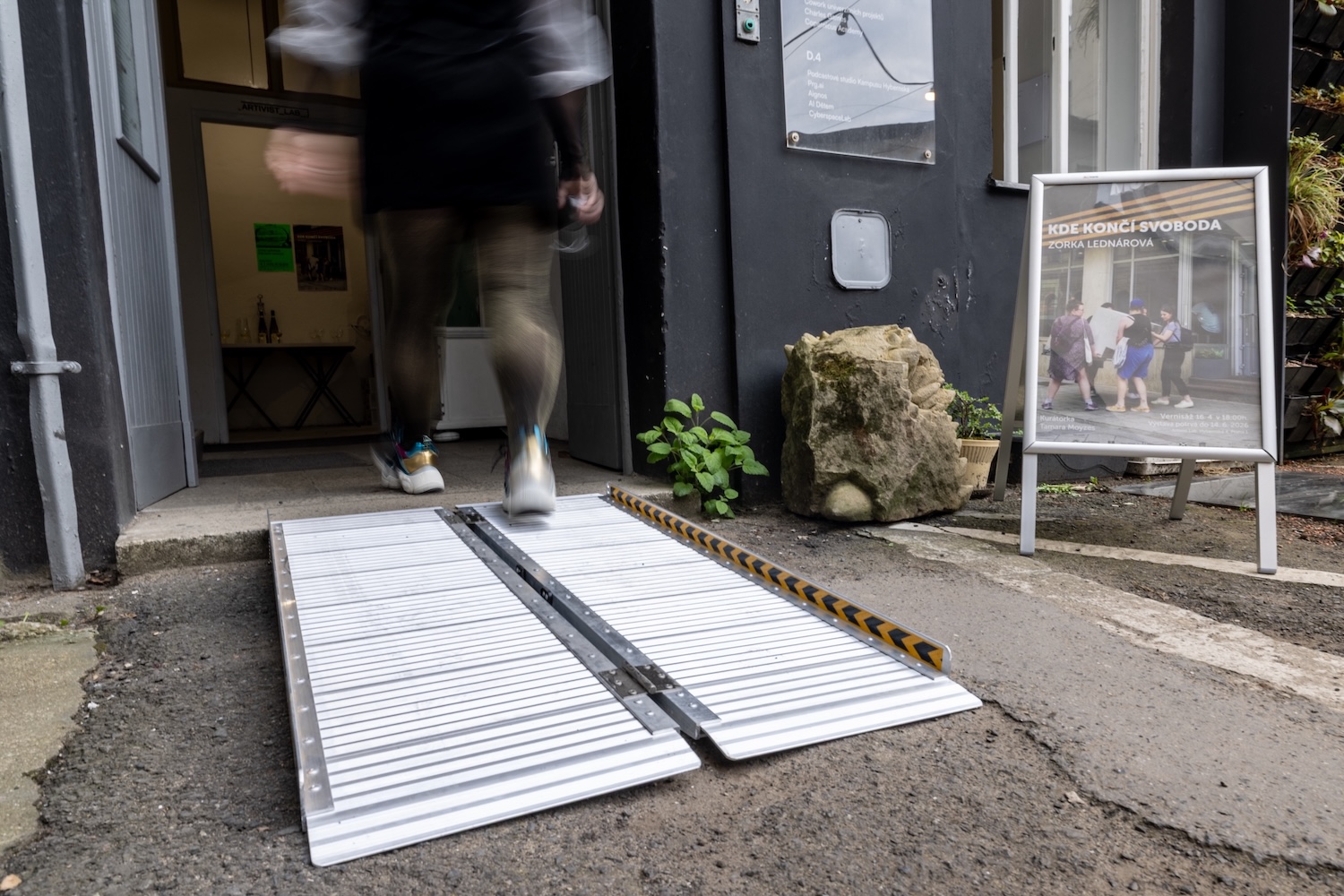
foto: Josef Rabara
WHERE FREEDOM ENDS
Zorka Lednárová
Artivist Lab, Prague
Opening: April 16, 2026 at 6:00 PM
Exhibition dates: April 17 – June 14, 2026
Where Freedom Ends by Zorka Lednárová addresses the accessibility of public space not as a technical or administrative issue, but as a political, embodied, and institutional question. Developed out of the artist’s residency at Artivist Lab, the project unfolds as a constellation of interventions, workshops, lectures, collected testimonies, and visual outputs that together examine for whom public space is truly intended, and to whom it remains conditionally or entirely inaccessible. At the core of the project lies the recognition that freedom of movement is not distributed equally across society, but is shaped by architecture, institutional operation, and the extent to which environments are adapted to the diverse needs of their users.
Within the exhibition, this framework is articulated through five interventions during which the artist symbolically and physically blocked the entrances of public institutions that themselves remain inaccessible to wheelchair users. In doing so, she reverses the logic of exclusion and renders visible a condition that is often normalized within the everyday functioning of the city. Crucially, these actions do not operate merely as the artist’s individual gesture, but create situations in which those present become participatory actors within the project. The documentation of these public interventions subsequently becomes the exhibition’s principal material, transforming an ephemeral event into a shared image of institutional inaccessibility.^1
In this sense, the project approaches what Claire Bishop describes as participatory art: a form of artistic practice in which people themselves become the central medium and material of the work.^1 Bishop also reminds us that participation in itself does not guarantee emancipation or political efficacy; its significance must be understood in relation to the specific mode of engagement, the institutional framework, and the tension between aesthetics, conflict, and social experience.^1 In Lednárová’s work, participation is therefore not an illustrative gesture of “public involvement,” but a situation in which the presence of participants becomes both the epistemic and formal ground of the artwork. Participation here is not an accompanying programme to the exhibition, but one of its primary media.
This logic is equally evident in the performative workshop and follow-up discussion with students, which are conceived not as an educational supplement to the exhibition, but as its integral research-based and performative component. Participants enter the school environment from the perspective of a wheelchair user, and their experience is further articulated through questionnaires, shared reflection, and anonymized records. The questionnaire does not function here as an external sociological instrument attached to the artwork from the outside, but as part of its methodology. Data, responses, and testimonies become one of the project’s materials, and therefore part of its form, content, and public effect. Research here is not something that merely documents the exhibition; it is something that actively co-constitutes it.
At this point, it is useful to consider the project also through the lens of artistic activism. Stephen Duncombe understands artistic activism as a hybrid practice that links the affective force of art with the effective aims of activism, while stressing that this field requires not only compelling images and interventions, but also a carefully articulated theory of change: the ability to formulate how a specific artistic act enters social reality, what it mobilizes, and what kinds of transformation it may initiate.^2 In Where Freedom Ends, this logic becomes visible precisely in the conjunction of intervention, embodied experience, data collection, and public debate. The exhibition does not merely represent the problem of inaccessibility; it seeks, through experience, sharing, and institutional confrontation, to enter into the process of its social articulation. The questionnaire and the data that emerge from it do not constitute neutral evidence, but a tool for the collective naming of experience that simultaneously expands the field of visibility surrounding this issue.^2 ^3
The exhibition thus stands at the intersection of several planes. It is a documentation of concrete interventions in public space, as it presents five actions carried out at inaccessible institutions. It is a participatory situation, as it draws both students and the broader public into the production of meaning. It is a research platform, because it works with questionnaires, anonymized responses, and reflections as active components of the work. And it is simultaneously an artivist practice, because it seeks not only to interpret reality, but also to challenge and transform it. It is precisely this layered quality that is fundamental to the project: inaccessibility appears here not merely as an architectural barrier, but as a symptom of a deeper social condition in which institutions may declare openness while continuing to reproduce unequal access to movement, participation, and presence.
In this sense, the title Where Freedom Ends does not designate an abstract philosophical problem, but a very concrete threshold. This threshold emerges at the moment when the declared openness of a public institution collides with the reality of stairs, thresholds, narrow entrances, missing lifts, and operational rules that exclude part of the public in advance. Lednárová’s project not only thematizes this boundary, but translates it into a visible, shared, and analysable form. This is precisely where its strength lies: in the conjunction of aesthetic gesture, participatory experience, and research instrument, which together generate a form of artistic critique capable of entering both public space and institutional debate at once.
Zorka Lednárová is a visual artist, sculptor, and curator working between Berlin and Bratislava, whose practice has long engaged with questions of borders, freedom of movement, identity, and social barriers. She belongs to a generation shaped by the experience of late socialism and post-revolutionary transformation, yet her work reflects on these historical ruptures with exceptional personal and political intensity. As one of the first Slovak students to leave after 1989 to study in Germany and later in China, she was also the only woman of her generation to devote herself to monumental sculpture. She studied in Bratislava, Kiel, Hangzhou, and Berlin, co-founded and led the Berlin-based critical art space OKK / Raum 29, and her works have been presented in exhibitions across Europe, China, Japan, and Brazil. In her artistic practice, she responds sensitively to the transformations of the contemporary world, from migration and the climate crisis to institutional exclusion, creating works that combine sculptural thinking, spatial experience, and a clearly articulated civic stance.
Curators: Tamara Moyzes and Zuzana Štefková
Text: Tamara Moyzes
Facebook event for the opening:
ACCOMPANYING PROGRAMME:
Lecture and performative workshop: Tuesday, April 14, 2026, 4:00–6:30 PM
Venue: AVU, auditorium, U Akademie 4, Prague 7
Supported by:
Ministry of Culture of the Czech Republic, City of Prague, Czech-German Future Fund, State Cultural Fund of the Czech Republic, Prague 1 Municipal District
In collaboration with:
Artivist Lab, Artwall Gallery, the Academy of Fine Arts in Prague, and Kampus Hybernská
Academy of Fine Arts in Dresden and the Berlin-based space TOP e. V.
References
- Claire Bishop, Artificial Hells: Participatory Art and the Politics of Spectatorship (London and New York: Verso, 2012).
- Stephen Duncombe, Æffect: The Affect and Effect of Artistic Activism (New York: Fordham University Press, 2024).
- Stephen Duncombe, “Does it Work? The Æffect of Activist Art,” 2016.