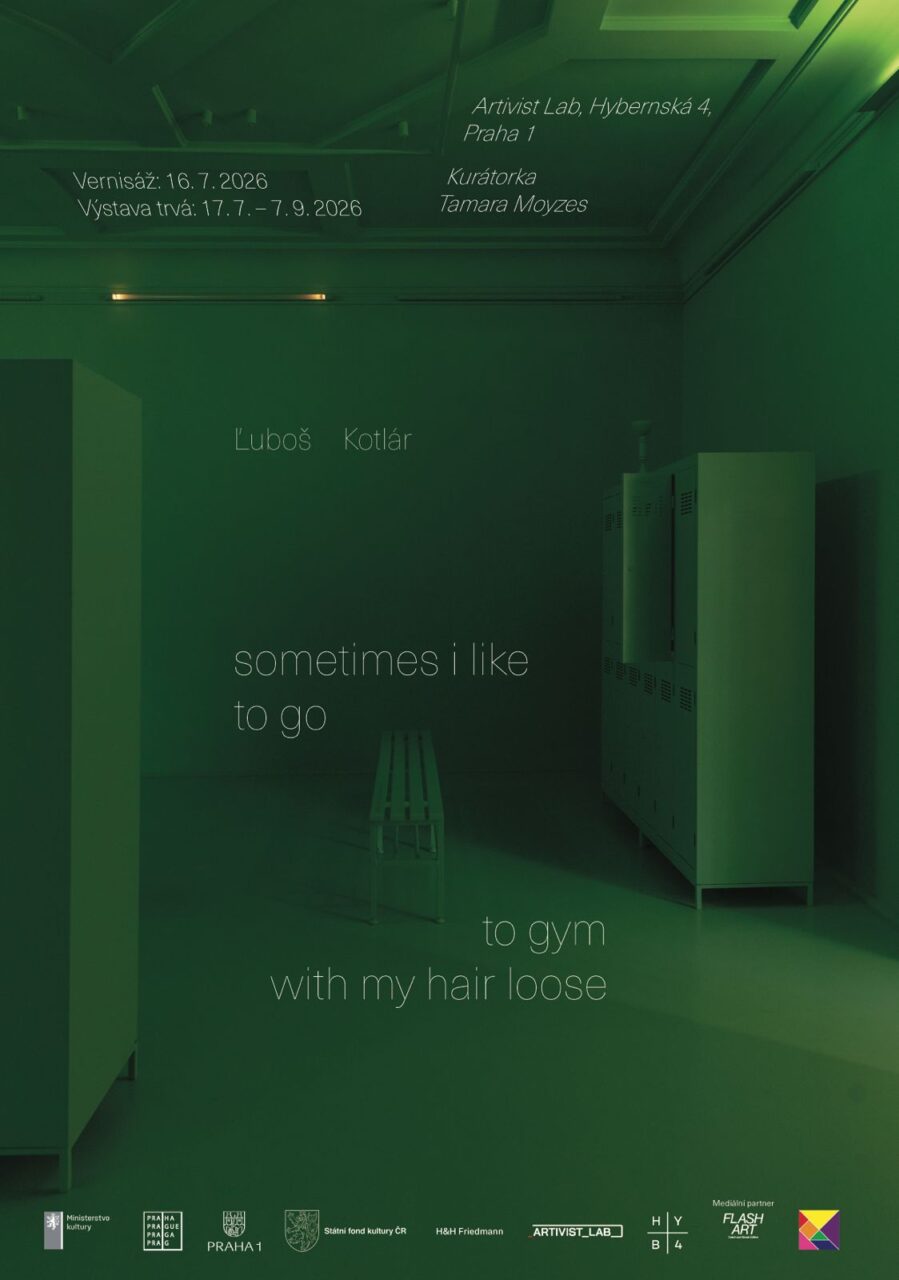
Ľuboš Kotlár
vernisáž: 16. 7. v 18:00h.
datum: 17. 7.–7. 9. 2026
Název výstavy Ľuboše Kotlára je sugestivní, popisný a formulovaný v první osobě. Neotevírá však jednoduše prostor k nahlédnutí do autorova soukromí. Spíše vytváří situaci, v níž se diváctvo může s daným výrokem ztotožnit, nebo se od něj naopak distancovat. Formulace sometimes i like to go to gym with my hair loose odkazuje ke zdánlivě nenápadnému, ale osvobozujícímu gestu, které narušuje nepsaná pravidla tělesného chování, disciplíny a sebeprezentace ve fitness prostředí. V tomto každodenním výroku se koncentruje napětí mezi individualitou a společenskou normou, které prostupuje celou instalací.
Jít do posilovny s rozpuštěnými vlasy může působit jako nepraktické rozhodnutí. Vlasy překážejí pohybu, dotýkají se zpoceného těla a narušují představu maximálně účelného výkonu. Právě tato zdánlivá nepraktičnost se však stává drobným gestem odporu vůči režimu, v němž má být tělo neustále kontrolované, funkční a připravené k výkonu. Otevírá možnost alespoň na okamžik vystoupit z logiky efektivity, která organizuje nejen pohyb těla, ale také způsoby jeho společenské prezentace.
Fitness centrum není pouze místem cvičení. Je také prostorem, v němž je tělo sledováno, porovnáváno, měřeno a formováno prostřednictvím opakování. Mechanismy moderní disciplíny organizují těla v prostoru i čase a prostřednictvím pravidelného tréninku je činí výkonnějšími, ale zároveň i ovladatelnějšími (Michel Foucault). V Kotlárově instalaci se však neobjevují stroje určené k formování těla, ale objekty evokující šatnu, místo dočasného zastavení, odkládání, převlékání a proměny.
Šatna se nachází mezi příchodem a odchodem, mezi veřejným obrazem člověka a částečně odhaleným tělem, mezi přípravou a samotným výkonem. Představuje liminální prostor, který ke své aktivaci vyžaduje přítomnost a pohyb diváctva. Objekty připomínají známé užitkové vybavení, jejich funkce však zůstává nejednoznačná. Tělo si není jisté, zda se má zastavit, skrýt, odložit si věci, dotknout se objektů, nebo je pouze pozorovat. Naučená choreografie šatny se tak postupně rozpadá.
Způsob, jakým se těla pohybují prostorem a orientují se vůči objektům, není neutrální. Je formován společenskými normami a jejich opakováním (Sara Ahmed). Kotlár tyto naučené orientace uvádí do nejistoty a narušuje naše návyky i představu o tom, jak se máme v určitém typu prostoru správně chovat. Nefunkčnost objektů zde proto nepředstavuje technickou chybu ani známku nedokončenosti, ale vědomou uměleckou strategii.
Tento přístup souvisí s Kotlárovou dlouhodobou uměleckou praxí, v níž využívá výzkum a teoretické koncepty queer temporality a selhání jako umělecké strategie. Zabývá se přitom selháním, nefunkčností a liminalitou jako možnostmi odporu vůči normativním režimům času, úspěchu a produktivity. Svou praxi vztahuje k „okamihom, keď sa normatívna funkcia priestoru narúša, či transformuje“ (Ľuboš Kotlár). Prostor pro něj proto nepředstavuje neutrální schránku, do níž je již hotové dílo pouze umístěno. Stává se aktivní součástí díla a jedním z materiálů, s nimiž autor pracuje.
Každá nová instalace neproměňuje pouze konkrétní prostor, ale také samotné dílo. Jeho význam, proporce, rytmus pohybu i vztah k tělu diváctva se znovu utvářejí podle architektury, původní funkce a sociálního kontextu daného místa. Instalace sometimes i like to go to gym with my hair loose původně vznikla v Trnavě pro Cenu Oskára Čepana 2025. Její uvedení v Artivist Labu však není pouhým přenesením již existujícího díla z jednoho výstavního prostoru do druhého. Pražská instalace představuje novou situaci díla, a tím také jeho novou podobu.
Proměna díla zde není vedlejším důsledkem přesunu mezi výstavními prostory, ale základní součástí autorovy site-specific strategie. Dílo nemá jednu definitivní podobu. Pokaždé znovu vzniká ve vztahu ke konkrétnímu místu, času, institucionálnímu kontextu a přítomnému tělu. Nemění se proto, aby bylo efektivnější nebo dokonalejší, ale protože přijímá nestabilitu, nedokončenost a závislost na dané situaci jako své základní vlastnosti.
Tato prostorová proměnlivost se zároveň propojuje s queer temporalitou, která narušuje lineární představu času založenou na postupném směřování k předem stanovenému cíli. V prostředí fitness je přítomné tělo často chápáno pouze jako nedokonalý předstupeň své budoucí, silnější, zdravější nebo atraktivnější verze. Čas je zde organizován prostřednictvím tréninkových plánů, opakování, měřitelných výsledků a očekávané transformace.
Queer temporalita naproti tomu umožňuje uvažovat o čase prostřednictvím zastavení, čekání, návratu, cykličnosti či zpoždění – prostřednictvím trajektorií, které nemusejí vést k předem určenému výsledku. Queer čas se vymyká normativní posloupnosti vzdělání, práce, partnerství, reprodukce a akumulace majetku (Jack Halberstam). Selhání přitom nemusí představovat deficit, ale může se stát možností úniku z dominantních představ úspěchu, produktivity a společenského uznání. Čas zároveň není neutrálním prostředím. Společensky organizuje těla a určuje, které životní rytmy jsou považovány za správné, produktivní a hodnotné (Elizabeth Freeman).
V Kotlárově instalaci se čas šatny prodlužuje. Přestává být pouhou přestávkou před výkonem a stává se samotnou zkušeností díla. Diváctvo může setrvat v mezistavu, v prostoru bez jednoznačné funkce a bez povinnosti rychle přejít od přípravy k výsledku. Kotlár tuto možnost popisuje následovně:
„Umelecká prax funguje ako queer technológia času: ako nástroj odmietnutia futurity definovanej produktivitou, rastom a reprodukciou a zároveň ako spôsob artikulácie iných možností existencie, zakotvených v prítomnosti, nefunkčnosti a zdieľanej skúsenosti“ (Ľuboš Kotlár).
Významným vizuálním motivem instalace je zelená barva. Ve fotografii, filmu a reklamě funguje takzvaný green screen jako pozadí, které má být odstraněno a nahrazeno jiným obrazem. V Kotlárově instalaci však k této náhradě nedochází. Zelená plocha zůstává viditelná, neanimovaná a otevřená.
Technické obrazy vznikají uvnitř aparátů a programů, které předem vymezují soubor možných výsledků (Vilém Flusser). Kotlár však tento program nedokončuje. Připravené pozadí nevytváří očekávanou iluzi, ale zůstává plochou pro možné, dosud neuskutečněné projekce. Obrazy zároveň vstupují mezi člověka a skutečnost a ovlivňují, co jsme schopni vnímat jako reálné, zapamatovatelné a hodné pozornosti (Susan Sontag). V této instalaci však výsledný obraz těla chybí. Nenacházíme před sebou ideální podobu, k níž bychom měli směřovat.
Tělo se proto neukazuje jako dokončený obraz výkonu, ale jako proměnlivá, zranitelná a politicky čitelná přítomnost. Queer časovost může již v přítomném okamžiku otevírat fragmenty jiného způsobu existence, který dosud není plně uskutečněn (José Esteban Muñoz). Takový moment může vzniknout také prostřednictvím drobného gesta, jež odmítá podřídit každý pohyb pravidlům účelnosti a sebeprezentace.
Instalace sometimes i like to go to gym with my hair loose tak nevytváří prostor úplného osvobození od tělesných a společenských norem. Umožňuje jim však alespoň na okamžik selhat. Skříňky ztrácejí jednoznačnou funkci, zelené pozadí nevytváří obraz a šatna nevede k očekávanému výkonu. Tělo tak může na chvíli vystoupit z programu, který je vede k neustálé optimalizaci, a existovat bez povinnosti stát se svou lepší, výkonnější nebo společensky přijatelnější verzí.
Kurátorka: Tamara Moyzes
Doprovodný program v rámci Prague Pride
Komentované prohlídky:
5. a 6. 8. 2026, 18:00–19:00
Otevírací doba během Prague Pride:
3.–9. 8. 2026, 15:00–18:00
Dílo vzniklo pro Cenu Oskára Čepana 2025. Technické řešení skříněk vytvořil Dionýz Troskó, technické řešení barevnosti Matej Maturkanič.
Partneři výstavy: Prague Pride, Ara Art
Výstavu podpořili: Ministerstvo kultury ČR, hlavní město Praha, Státní fond kultury ČR, městská část Praha 1 a H&H Friedman
Poznámky a literature
Ľuboš Kotlár, Queer temporalita a zlyhanie ako umelecká stratégia, pracovní text umělce poskytnutý kurátorce. Citace je ponechána ve slovenském originále.
Ahmed, Sara. Queer Phenomenology: Orientations, Objects, Others. Durham: Duke University Press, 2006.
Flusser, Vilém. Za filosofii fotografie. Praha: Hynek, 1994.
Foucault, Michel. Dohlížet a trestat. Praha: Dauphin, 2000.
Freeman, Elizabeth. Time Binds: Queer Temporalities, Queer Histories. Durham a London: Duke University Press, 2010.
Halberstam, Jack. In a Queer Time and Place: Transgender Bodies, Subcultural Lives. New York: New York University Press, 2005.
Halberstam, Jack. The Queer Art of Failure. Durham: Duke University Press, 2011.
Muñoz, José Esteban. Cruising Utopia: The Then and There of Queer Futurity. New York: New York University Press, 2009.
Sontag, Susan. On Photography. New York: Farrar, Straus and Giroux, 1977.
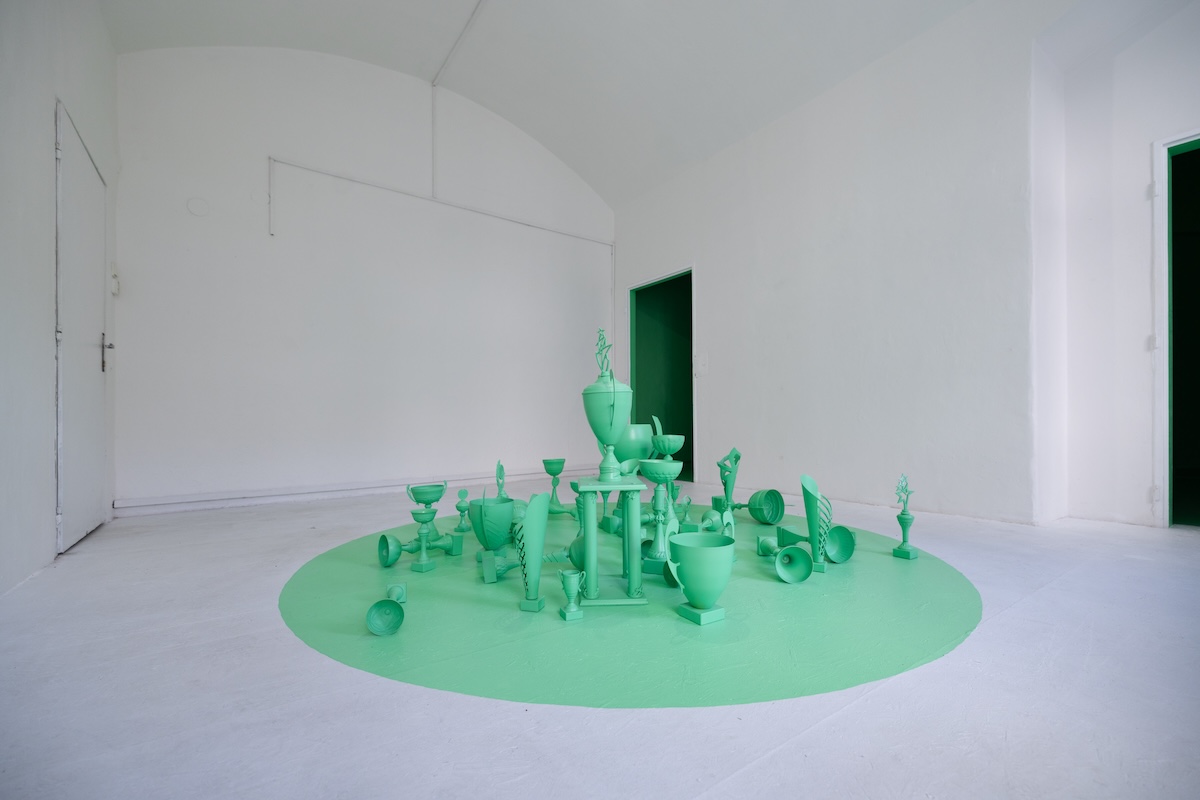


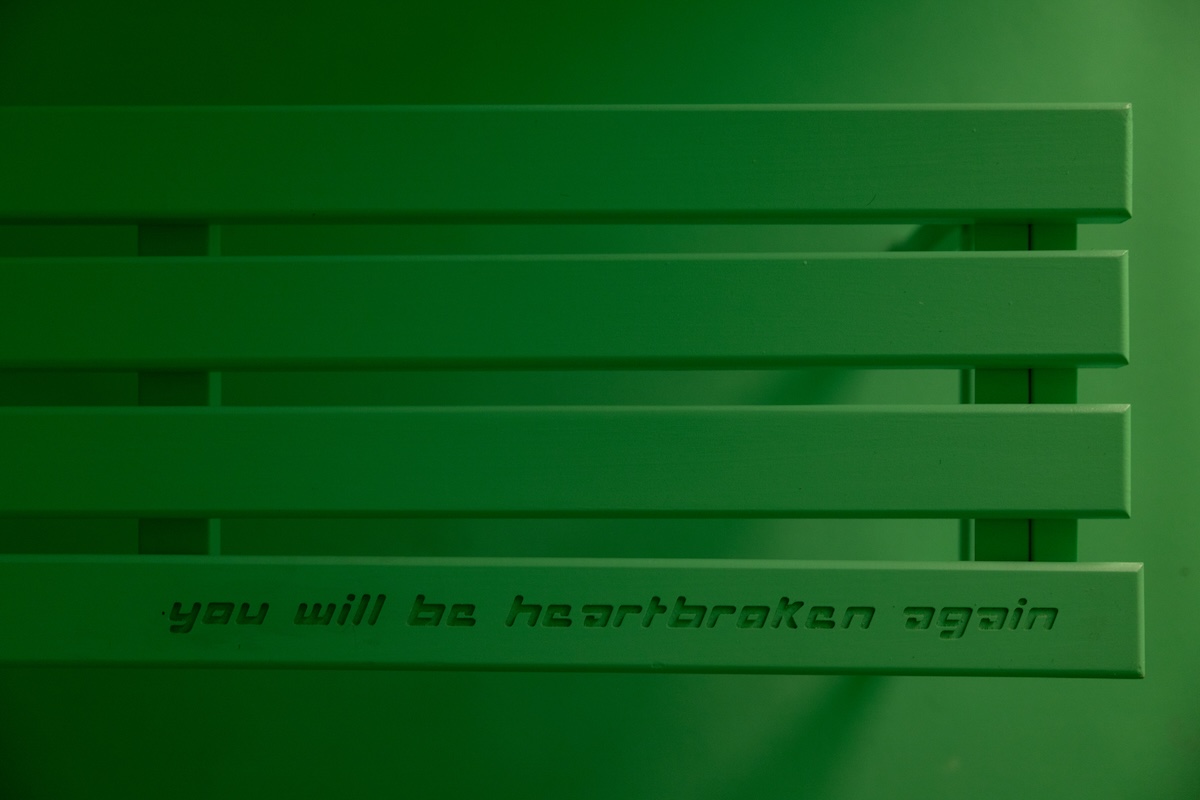
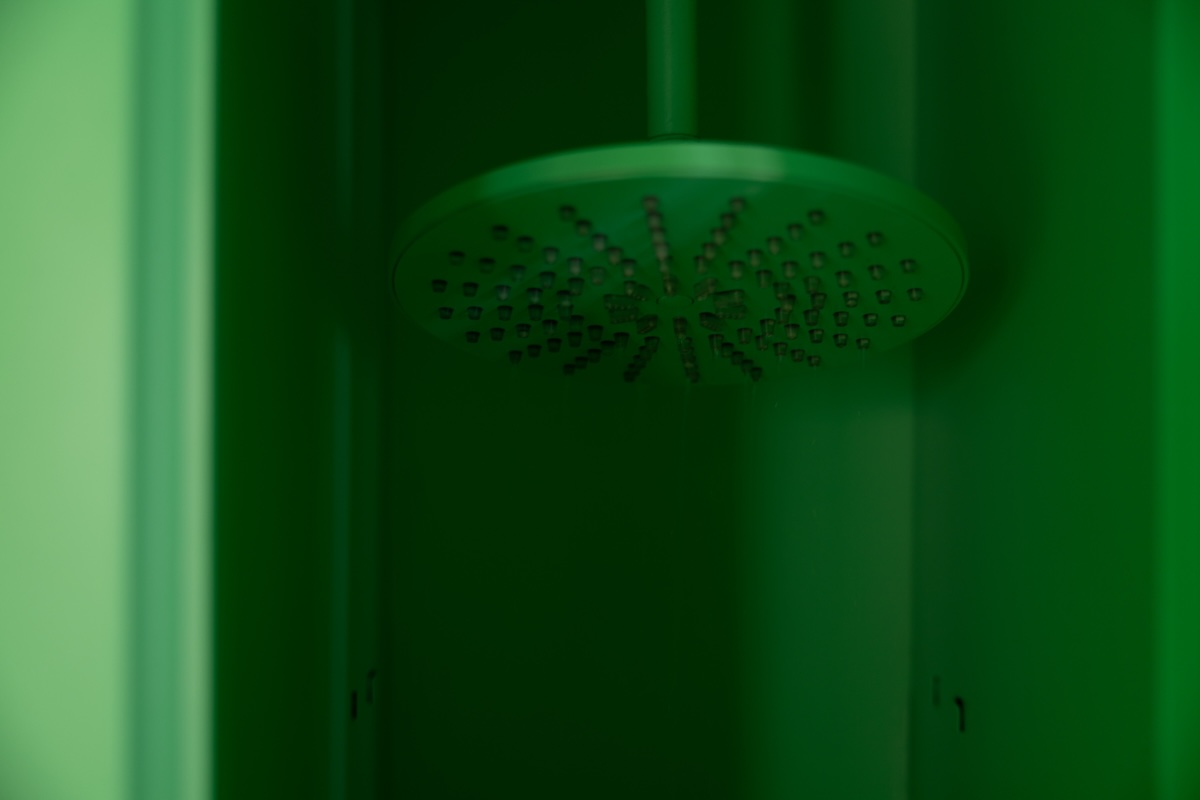


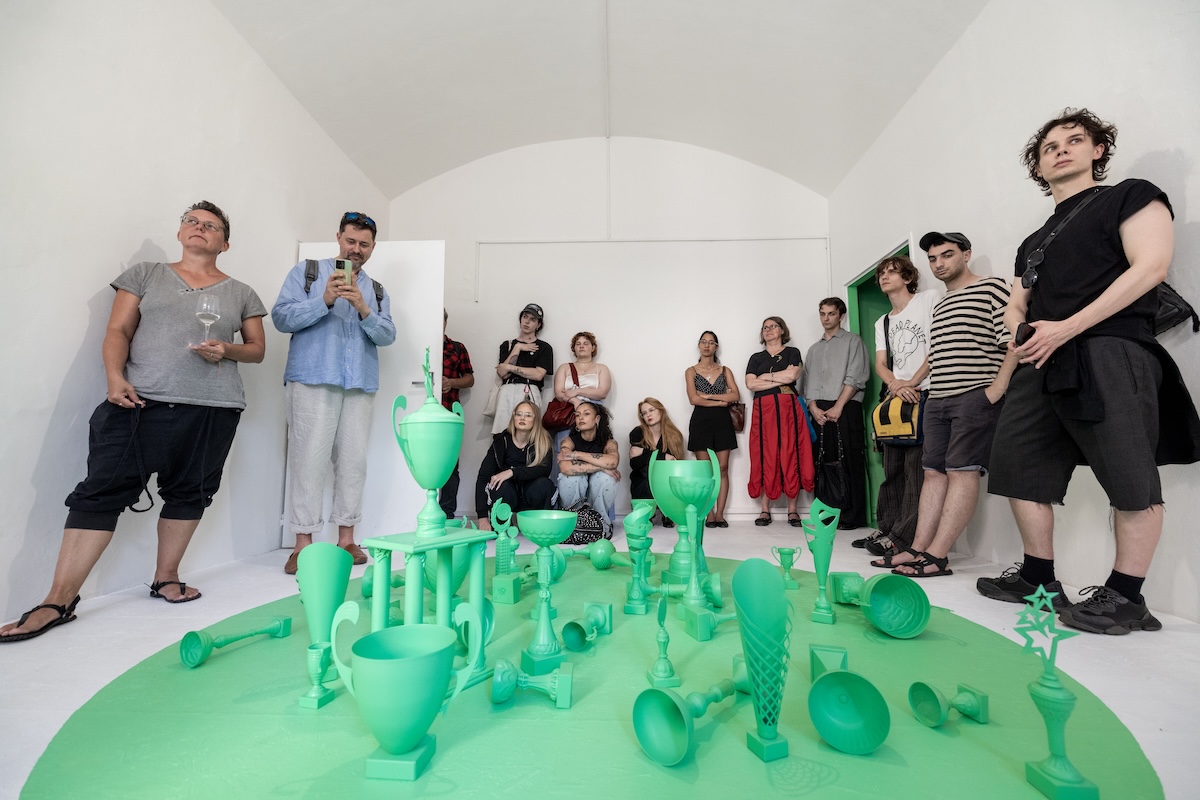

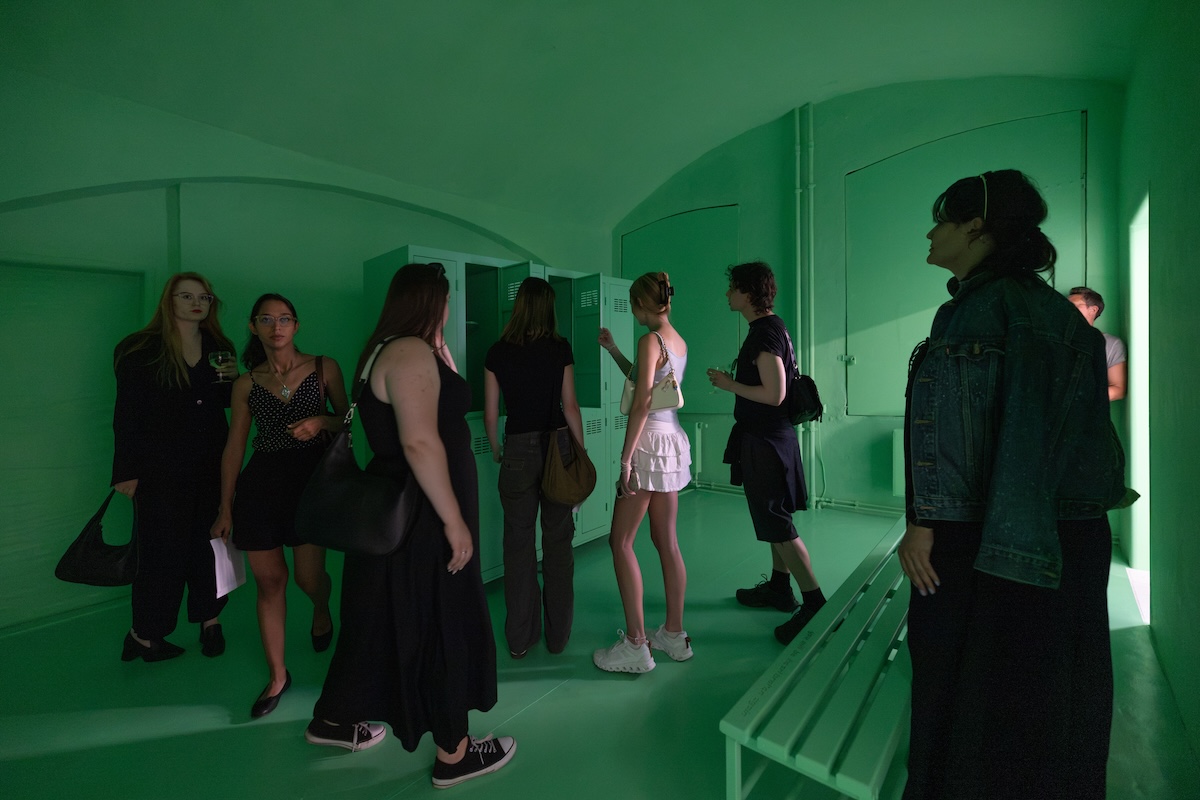
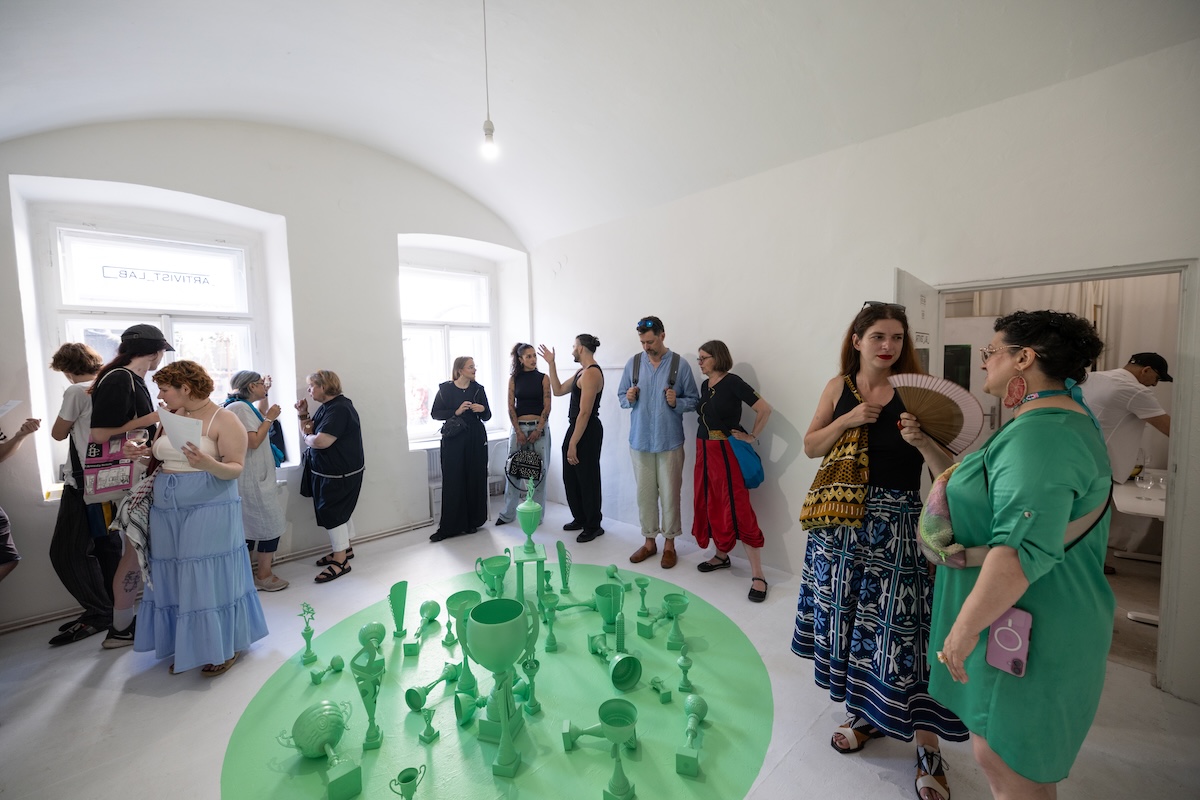

Foto: Josef Rabara
sometimes i like to go to gym with my hair loose
Ľuboš Kotlár
The title of Ľuboš Kotlár’s exhibition is suggestive, descriptive, and articulated in the first person. Yet rather than simply opening a window onto the artist’s private life, it constructs a situation in which viewers may either identify with the statement or consciously distance themselves from it. The phrase sometimes i like to go to gym with my hair loose refers to a seemingly inconspicuous yet emancipatory gesture that unsettles the unwritten codes governing bodily conduct, discipline, and self-presentation within the fitness environment. This everyday statement condenses the tension between individuality and social convention that permeates the installation as a whole.
Going to the gym with one’s hair loose may appear impractical. Hair gets in the way of movement, clings to the perspiring body, and disrupts the ideal of optimised performance. Yet it is precisely this apparent impracticality that becomes a subtle gesture of resistance to a regime in which the body is expected to remain constantly controlled, functional, and performance ready. It opens up the possibility if only momentarily—of stepping outside the logic of efficiency that governs not only bodily movement but also the ways in which the body is socially performed.
The fitness centre is not merely a site of exercise. It is also a space in which the body is observed, compared, measured, and shaped through repetition. The mechanisms of modern disciplinary power organise bodies across space and time, rendering them more efficient while simultaneously making them more governable (Michel Foucault). Kotlár’s installation, however, does not feature machines designed to shape the body; instead, it presents objects that evoke the changing room—a place of temporary pause, of undressing, changing clothes, and transformation.
The changing room exists in the interval between arrival and departure, between one’s public image and the partially exposed body, between preparation and performance itself. It constitutes a liminal space that requires the presence and movement of viewers in order to be activated. The objects evoke familiar utilitarian furnishings, yet their function remains ambiguous. The body is left uncertain whether to pause, conceal itself, set down its belongings, touch the objects, or merely observe them. The learned choreography of the changing room thus gradually begins to unravel.
The ways in which bodies move through space and orient themselves in relation to objects are not neutral. They are shaped by social norms and by their continual repetition (Sara Ahmed). Kotlár unsettles these learned orientations, disrupting our habitual behaviours as well as our assumptions about how we are expected to conduct ourselves within a particular type of space. The dysfunctionality of the objects, therefore, should not be understood as a technical flaw or a sign of incompleteness, but rather as a deliberate artistic strategy.
This approach is closely connected to Kotlár’s long-term artistic practice, which draws on research and the theoretical frameworks of queer temporality and failure as artistic strategies. His work explores failure, dysfunctionality, and liminality as modes of resistance to normative regimes of time, success, and productivity. He relates his practice to “moments when the normative function of space is disrupted or transformed” (Ľuboš Kotlár). Space, therefore, is not conceived as a neutral container into which a finished work is simply placed. Instead, it becomes an active component of the work itself and one of the materials through which the artist operates.
Each new installation transforms not only the specific site but also the work itself. Its meaning, proportions, rhythm of movement, and relationship to the viewer’s body are reconfigured in response to the architecture, former function, and social context of the location. sometimes i like to go to gym with my hair loose was originally created in Trnava for the Oskár Čepan Award 2025. Its presentation at Artivist Lab, however, is not merely the relocation of an existing work from one exhibition venue to another. Rather, the Prague installation constitutes a new iteration of the work, and with it, a new manifestation of its form.
Here, the transformation of the work is not a secondary consequence of its transfer between exhibition spaces, but a fundamental component of the artist’s site-specific strategy. The work has no single definitive form. Instead, it is continually reconstituted through its relationship to a particular place, moment in time, institutional context, and the bodies that encounter it. It changes not in order to become more efficient or more complete, but because it embraces instability, incompleteness, and dependence on a given situation as its defining qualities.
This spatial mutability is closely intertwined with queer temporality, which disrupts the linear conception of time as a progression towards a predetermined goal. Within the fitness environment, the present body is often understood merely as an imperfect precursor to its future, stronger, healthier, or more attractive version. Time is organised through training schedules, repetition, measurable outcomes, and the expectation of transformation.
Queer temporality, by contrast, offers a way of understanding time through pause, waiting, return, cyclicality, or delay—through trajectories that need not culminate in a predetermined outcome. Queer time departs from the normative sequence of education, work, partnership, reproduction, and the accumulation of property (Jack Halberstam). Failure, in this context, need not signify deficiency; rather, it can become a means of escaping dominant notions of success, productivity, and social recognition. Time itself is not a neutral medium. It functions as a social organiser of bodies, determining which rhythms of life are considered proper, productive, and valuable (Elizabeth Freeman).
In Kotlár’s installation, the temporality of the changing room is extended. It ceases to function merely as an interval preceding performance and instead becomes the very experience of the work itself. Viewers are invited to remain within a liminal state, inhabiting a space without a singular function and without the imperative to move swiftly from preparation to outcome. Kotlár describes this possibility as follows:
“Artistic practice functions as a queer technology of time: as a tool for rejecting a futurity defined by productivity, growth, and reproduction, while simultaneously articulating alternative modes of existence grounded in the present, in dysfunctionality, and in shared experience.” (Ľuboš Kotlár)
A significant visual motif of the installation is the colour green. In photography, film, and advertising, the so-called green screen functions as a backdrop intended to be removed and replaced by another image. In Kotlár’s installation, however, this substitution never takes place. The green surface remains visible, unanimated, and open.
Technical images are produced within apparatuses and programmes that predefine the range of possible outcomes (Vilém Flusser). Kotlár, however, leaves this programme incomplete. The prepared backdrop does not generate the expected illusion but remains a surface for potential projections that have yet to be realised. Images, moreover, come to stand between human beings and reality, shaping what we are capable of perceiving as real, memorable, and worthy of attention (Susan Sontag). In this installation, however, the final image of the body is absent. We are not presented with an ideal form towards which we are expected to strive.
Instead, the body emerges not as a completed image of performance but as a mutable, vulnerable, and politically legible presence. Queer temporality can open up, already within the present moment, glimpses of another mode of existence that has not yet been fully realised (José Esteban Muñoz). Such moments may also arise through small gestures that refuse to subject every movement to the imperatives of utility and self-presentation.
sometimes i like to go to gym with my hair loose thus does not construct a space of complete liberation from bodily and social norms. It does, however, allow those norms to fail, if only momentarily. The lockers lose their unequivocal function, the green backdrop refuses to produce an image, and the changing room no longer leads towards the anticipated performance. For a brief moment, the body is able to step outside the programme that compels it towards constant optimisation, existing without the obligation to become a better, more efficient, or more socially acceptable version of itself.
Curator: Tamara Moyzes
Public Programme as Part of Prague Pride
Guided Tours
5 & 6 August 2026, 6:00–7:00 pm
Opening Hours During Prague Pride
3–9 August 2026, 3:00–6:00 pm
The work was originally created for the Oskár Čepan Award 2025. The technical design of the lockers was developed by Dionýz Troskó, and the technical colour design by Matej Maturkanič.
Exhibition Partners: Prague Pride, Ara Art
Supported by: Ministry of Culture of the Czech Republic, City of Prague, Czech State Culture Fund, Prague 1 Municipal District, and H&H Friedman
Notes and References
Ľuboš Kotlár, Queer Temporality and Failure as an Artistic Strategy, working text provided by the artist to the curator. The quotation is reproduced in the original Slovak.
Ahmed, Sara. Queer Phenomenology: Orientations, Objects, Others. Durham: Duke University Press, 2006.
Flusser, Vilém. Towards a Philosophy of Photography. London: Reaktion Books, 2000. (Czech edition: Za filosofii fotografie. Prague: Hynek, 1994.)
Foucault, Michel. Discipline and Punish: The Birth of the Prison. New York: Pantheon Books, 1977. (Czech edition: Dohlížet a trestat. Prague: Dauphin, 2000.)
Freeman, Elizabeth. Time Binds: Queer Temporalities, Queer Histories. Durham and London: Duke University Press, 2010.
Halberstam, Jack. In a Queer Time and Place: Transgender Bodies, Subcultural Lives. New York: New York University Press, 2005.
Halberstam, Jack. The Queer Art of Failure. Durham: Duke University Press, 2011.
Muñoz, José Esteban. Cruising Utopia: The Then and There of Queer Futurity. New York: New York University Press, 2009.
Sontag, Susan. On Photography. New York: Farrar, Straus and Giroux, 1977.